
Korean recipe
Dakbokkeumtang
Korea's spicy braised chicken with potatoes, carrots and onion in a sweet, fiery gochujang sauce. Serve with rice.
- Prep
- 15 min
- Cook
- 45 min
- Total
- 1 hr
- Servings
- 4
- Difficulty
- Intermediate
- Course
- Soup/Stew
About this dish
Dakbokkeumtang is a popular Korean dish known for its spicy and flavorful braised chicken stew. This recipe combines tender chicken pieces with a rich and spicy sauce, creating a comforting and satisfying meal. The dish is typically enjoyed with steamed rice and various side dishes. Follow these easy steps to create your own Dakbokkeumtang at home!
Instructions
Heat the vegetable oil in a large pot or deep skillet over medium heat. Add the chicken pieces and cook until lightly browned, about 5 minutes. Remove the chicken from the pot and set aside.
In the same pot, add the sliced onion, minced garlic, and grated ginger. 3. Sauté until fragrant and the onion becomes translucent, about 3 minutes.
Add the gochujang, gochugaru, soy sauce, and sugar to the pot. Stir well to combine and cook for another 2 minutes to develop the flavors.
Return the chicken to the pot and pour in the chicken broth. Stir to coat the chicken with the sauce. Bring to a boil, then reduce the heat to low, cover, and simmer for 20 minutes.
After 20 minutes, add the potato, carrot, and zucchini to the pot. Cover and continue to simmer for another 15-20 minutes, or until the vegetables are tender and the chicken is fully cooked.
Taste and adjust the seasoning if needed. If you prefer a spicier stew, you can add more gochujang or gochugaru at this point.
Once the stew is ready, garnish with sliced green onions and toasted sesame seeds.
Serve hot with steamed rice and enjoy the flavorful and spicy Dakbokkeumtang!
Cooking tips
1. Adjust the spice level to your preference by adding more or less gochujang (Korean chili paste) and gochugaru (Korean chili flakes).
2. For extra flavor, marinate the chicken in a mixture of soy sauce, minced garlic, and ginger for 30 minutes before cooking.
3. Garnish with sliced green onions and toasted sesame seeds for added freshness and nuttiness.
Dietitian’s notes
Suitable for: diabetes, gestational diabetes, pregnancy, gout, anemia
- One portion
- 1 bowl
- On a diabetic plan, keep strictly to the portion size.
For diabetics:
- If you have diabetic kidney disease (nephropathy), watch your sodium, potassium and phosphorus intake.
- If you have heart disease, watch your sodium and saturated fat intake.
- If you have high blood pressure, watch your sodium intake.
- If you have liver disease, watch your fat intake.
- If you have thyroid disease, watch your iodine intake.
Reviewed by Dr. Sehrish Nasreen, DHND, November 2026.
Nutrition per serving
- 356kcal
- Calories
- 27g
- Protein
- 23g
- Carbs
- 17g
- Fat
- 3g
- Fiber
- 4g
- Saturated fat
Estimated values.
Frequently asked questions
Where does Dakbokkeumtang come from?
Dakbokkeumtang is a dish from South Korea. Korea's spicy braised chicken with potatoes, carrots and onion in a sweet, fiery gochujang sauce. Serve with rice.
How long does it take to make Dakbokkeumtang?
About 1 hr in total: 15 min of prep and 45 min of cooking. The recipe serves 4.
You might also like
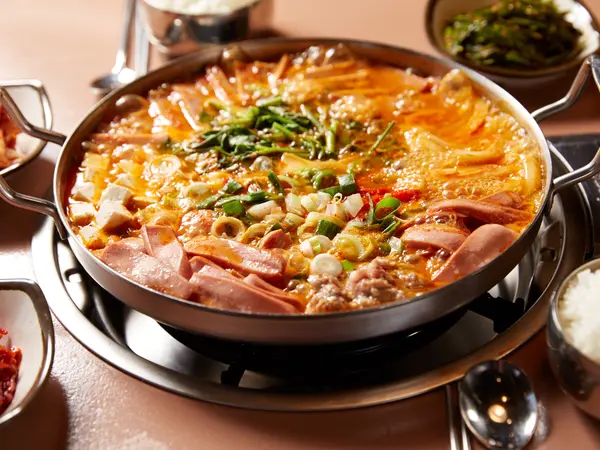
Budae Jjigae
Spicy Korean army stew of Spam, kimchi, tofu and ramen noodles in a gochujang broth.
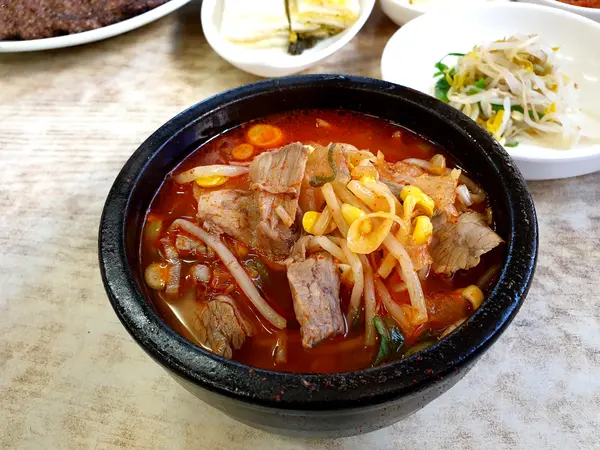
Hangover Soup
Spicy beef broth with brisket, vegetables and gochujang.
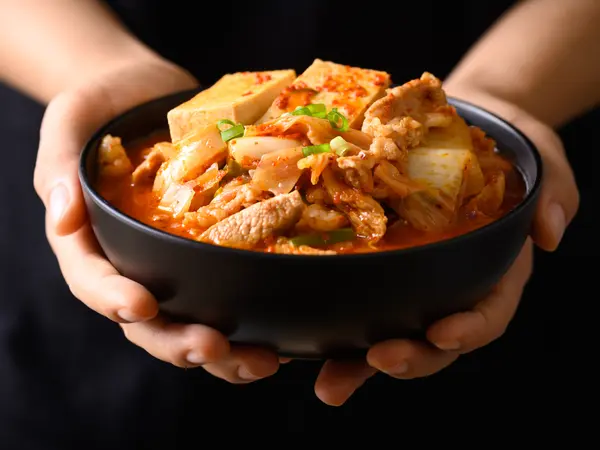
Kimchi Jjigae
Korea's warming stew of aged kimchi, pork and tofu, simmered until sour, spicy and rich. Serve with steamed rice.
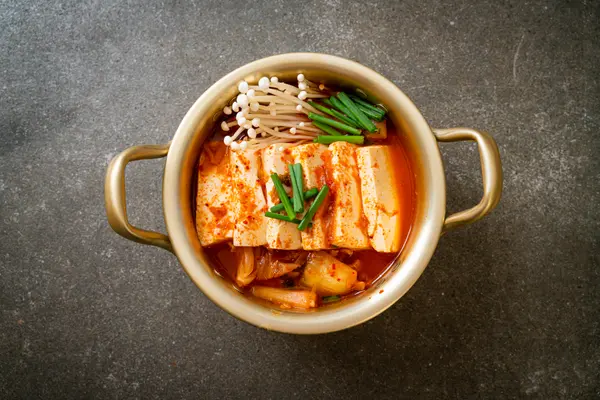
Soft Tofu Stew
A Korean spicy tofu stew in a gochujang and soy broth with onion and garlic, finished with sesame oil and green onions. Serve with rice.
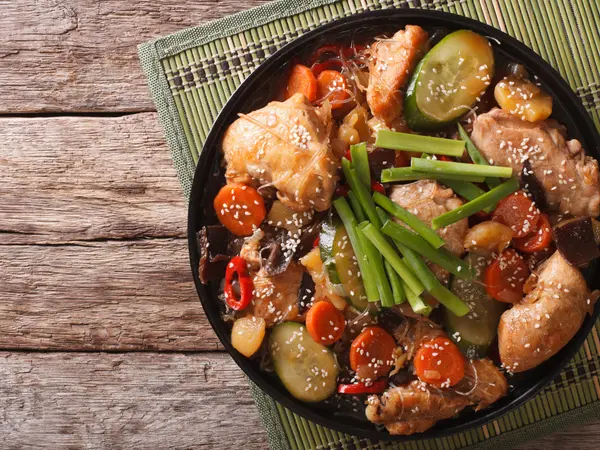
Jjimdak
Korea's soy-braised chicken with potatoes, carrots, mushrooms and glass noodles in a sweet and savory sauce. Serve with rice.
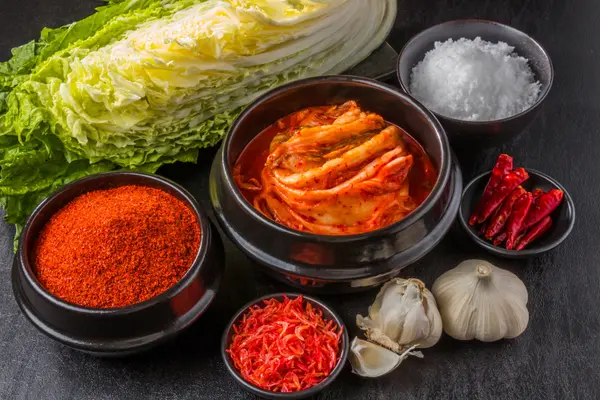
Kimchi
Korea's famous spicy fermented napa cabbage with chili, garlic, ginger and green onions. Eaten with every meal.
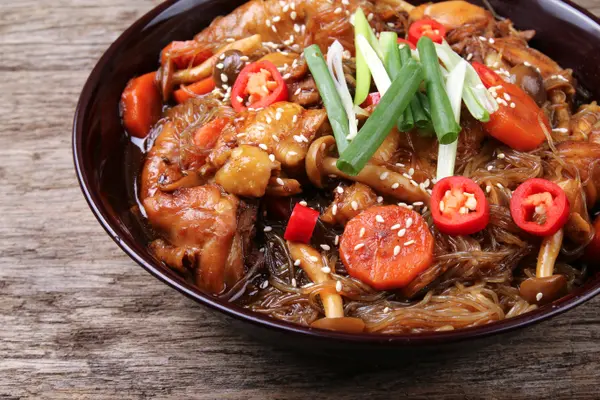
Andong Chicken
A Korean braise of chicken legs simmered in a sweet, spicy sauce of soy, honey, ginger and gochujang. A favorite from Andong.
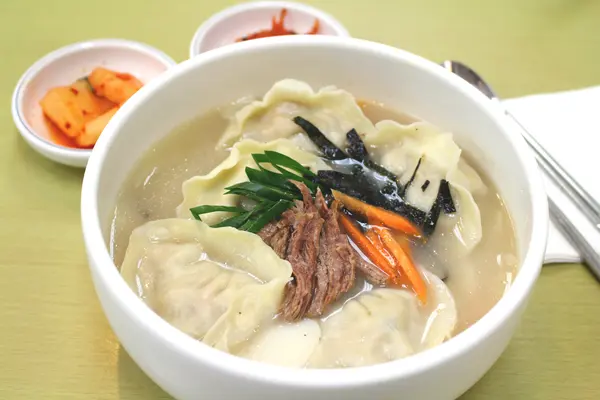
Manduguk
Korea's comforting dumpling soup of pork and vegetable dumplings in a savory broth with egg ribbons and green onions.