
Korean recipe
Manduguk
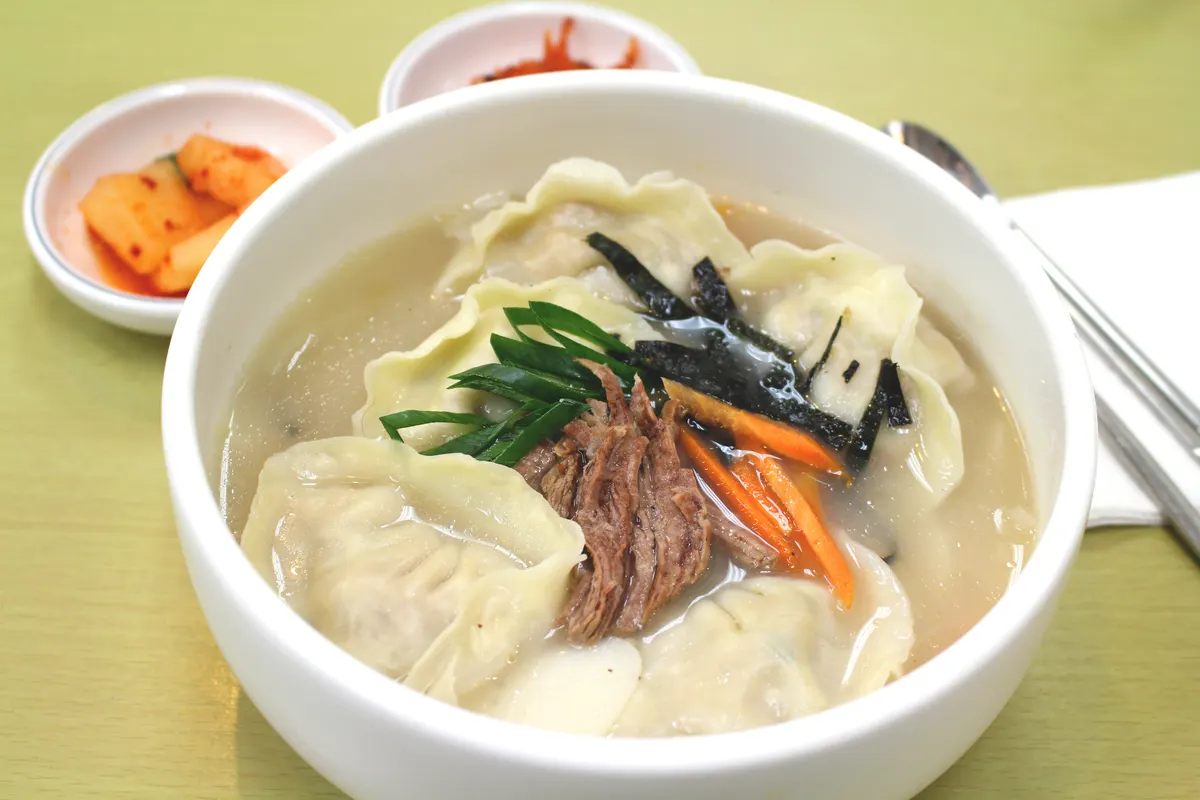
Korea's comforting dumpling soup of pork and vegetable dumplings in a savory broth with egg ribbons and green onions.
- Prep
- 30 min
- Cook
- 30 min
- Total
- 1 hr
- Servings
- 4
- Difficulty
- Advanced
- Course
- Soup/Stew
About this dish
Experience the comforting flavors of Manduguk, a traditional Korean dumpling soup that warms the soul. This authentic recipe brings together delicate dumplings, flavorful broth, and nutritious vegetables for a satisfying and nourishing meal. Dive into the culinary delights of South Korea with this easy-to-follow recipe that will transport you to the bustling streets of Seoul. Perfect for chilly days or anytime you crave a bowl of deliciousness.
Instructions
In a large mixing bowl, combine the ground pork or beef, chopped cabbage, onion, green onions, minced garlic, soy sauce, sesame oil, salt, and black pepper. Mix well until all the ingredients are evenly incorporated.
Take a dumpling wrapper and place a teaspoon of the filling in the center. Wet the edges of the wrapper with water, fold it in half, and press the edges firmly to seal the dumpling. Repeat this process until all the filling is used.
In a large pot, bring the beef or vegetable broth to a boil. Add the minced garlic, soy sauce, sesame oil, salt, and black pepper. Stir well to combine the flavors.
Carefully drop the dumplings into the boiling broth. Cook them for about 6-8 minutes or until they float to the surface. Stir gently to prevent sticking.
In a separate pot, cook the rice according to package instructions.
While the dumplings are cooking, prepare the eggs. In a non-stick pan, fry the eggs sunny-side-up or to your preferred doneness.
To serve, place a portion of cooked rice in each serving bowl. Ladle the hot soup with dumplings over the rice.
Top each bowl with a fried egg and sprinkle with chopped green onions and seaweed flakes, if desired.
Serve the Manduguk hot and enjoy the comforting flavors of this classic Korean dumpling soup. Mix the rice, soup, and egg together before eating for a delicious combination of textures and tastes.
Cooking tips
1. For convenience, you can use store-bought dumpling wrappers, but homemade dumplings will elevate the flavor and texture of the soup.
2. To save time, prepare the dumplings in advance and freeze them. You can then cook them directly in the boiling broth when you're ready to make Manduguk.
3. If you prefer a spicier soup, add a dollop of gochujang (Korean chili paste) or sprinkle some red pepper flakes into your bowl.
4. Customize your Manduguk with your favorite vegetables, such as spinach, mushrooms, or bean sprouts.
Frequently asked questions
Where does Manduguk come from?
Manduguk is a dish from South Korea. Korea's comforting dumpling soup of pork and vegetable dumplings in a savory broth with egg ribbons and green onions.
How long does it take to make Manduguk?
About 1 hr in total: 30 min of prep and 30 min of cooking. The recipe serves 4.
Can I make Manduguk ahead or store leftovers?
To save time, prepare the dumplings in advance and freeze them. You can then cook them directly in the boiling broth when you're ready to make Manduguk.
You might also like
Bibimbap
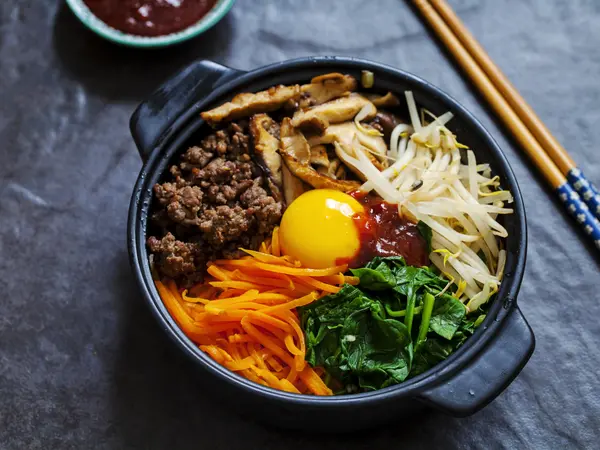
Warm white rice topped with namul or kimchi and gochujang, soy sauce or doenjang with meat and vegetables
Budae Jjigae
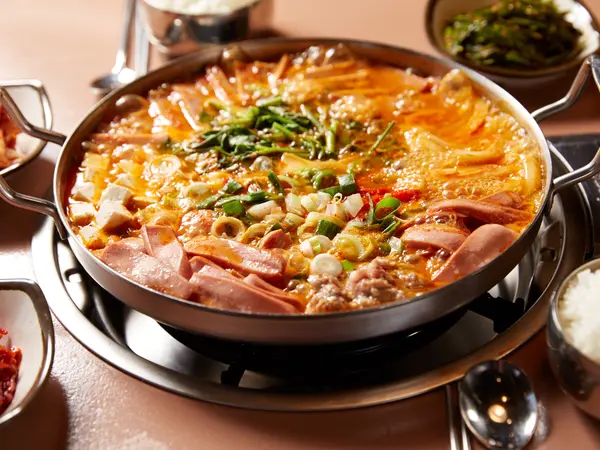
Spicy Korean army stew of Spam, kimchi, tofu and ramen noodles in a gochujang broth.
Hangover Soup
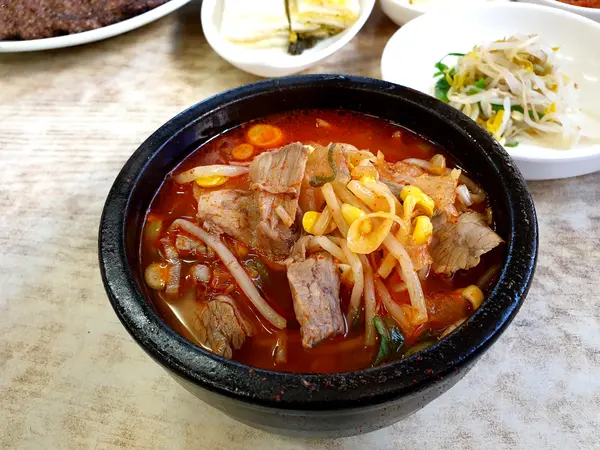
Spicy beef broth with brisket, vegetables and gochujang.
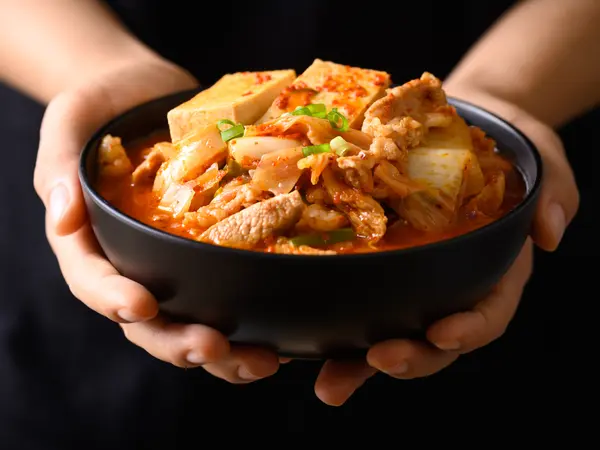
Kimchi Jjigae
Korea's warming stew of aged kimchi, pork and tofu, simmered until sour, spicy and rich. Serve with steamed rice.
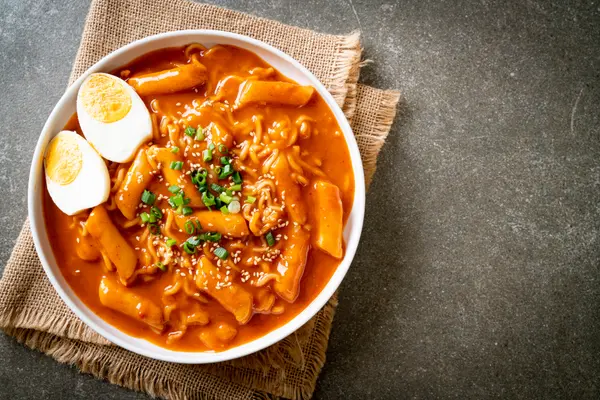
Tteokbokki
Korea's chewy rice cakes simmered in a sweet and spicy gochujang sauce. A favorite street snack, ready in under half an hour.
Tteokguk
Korean New Year rice cake soup with sliced tteok in beef broth, topped with egg ribbons, seaweed and scallions.
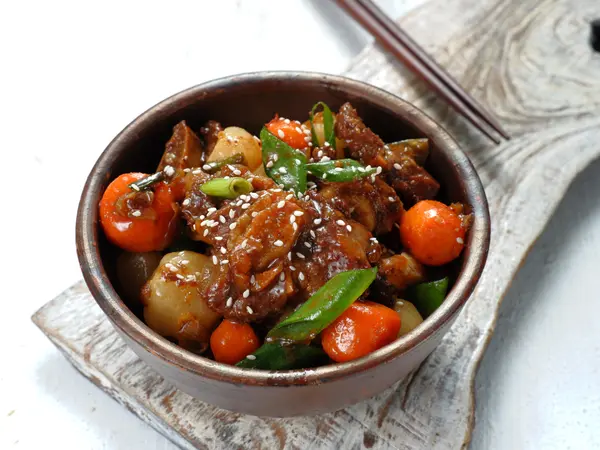
Galbi Jjim
Korea's festive braised beef short ribs in a sweet soy sauce with garlic and vegetables, cooked until falling off the bone.
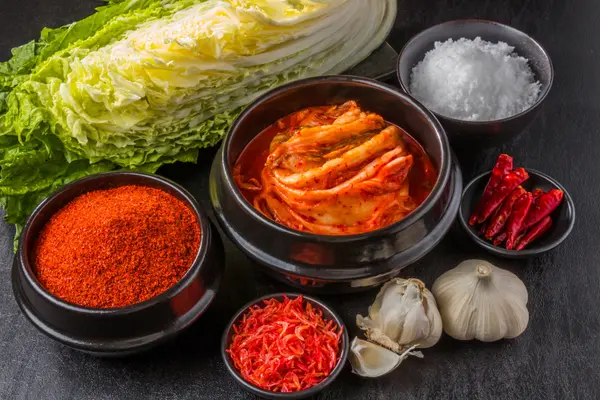
Kimchi
Korea's famous spicy fermented napa cabbage with chili, garlic, ginger and green onions. Eaten with every meal.