
Pending dietitian review. We built this plan from published guidelines (listed below), and a registered dietitian is checking it before we recommend it. Until then, please talk to your doctor or dietitian before following it.
When a dish needs a protein, add:
Monday
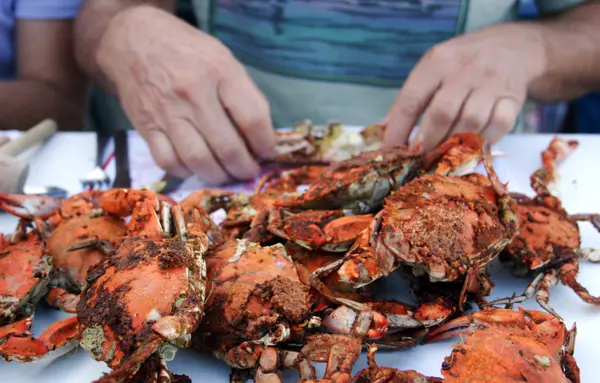 LunchMaryland Crab Feast with Old BayAmerican · 50 min
- + Serve with Coleslaw
- + Finish with Ranch Dressing
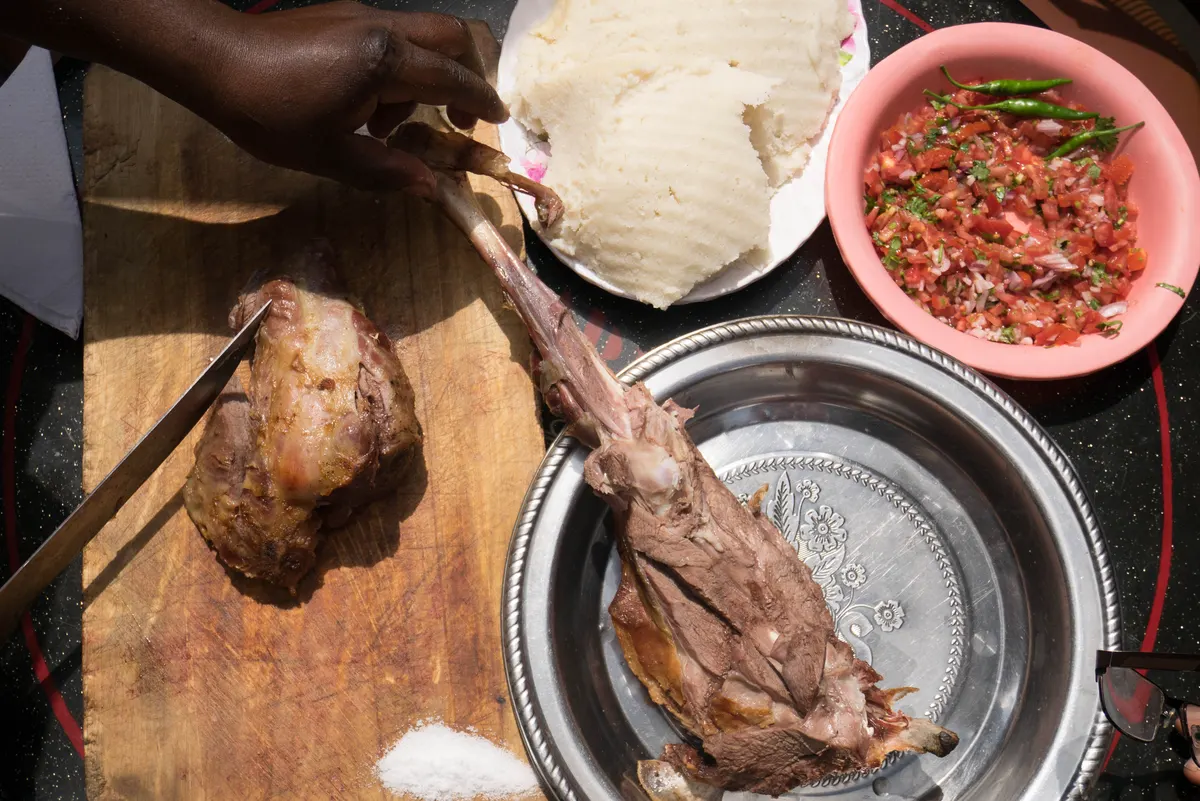
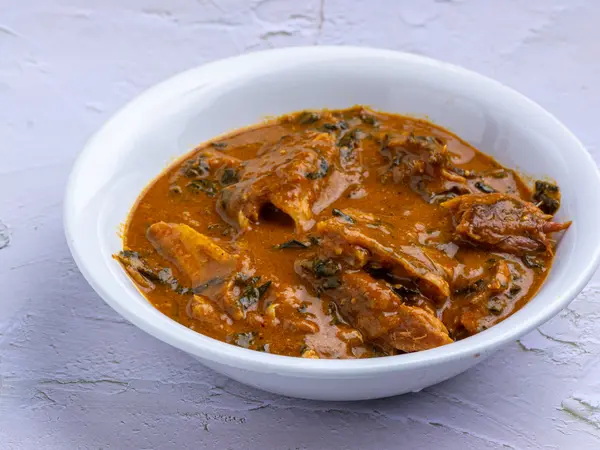
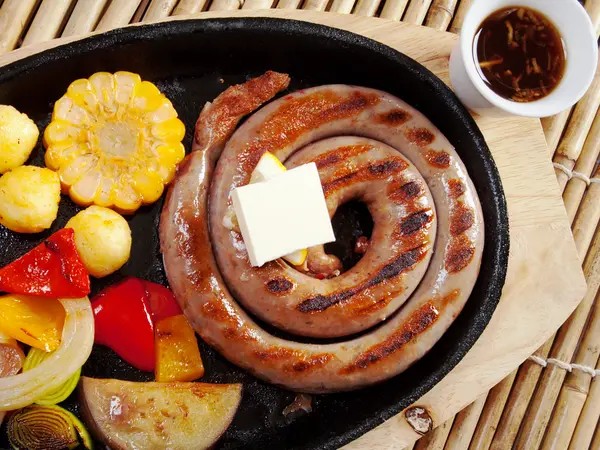 DinnerMuturaKenyan · 55 min
- + Serve with Injera (Ethiopian)
Tuesday
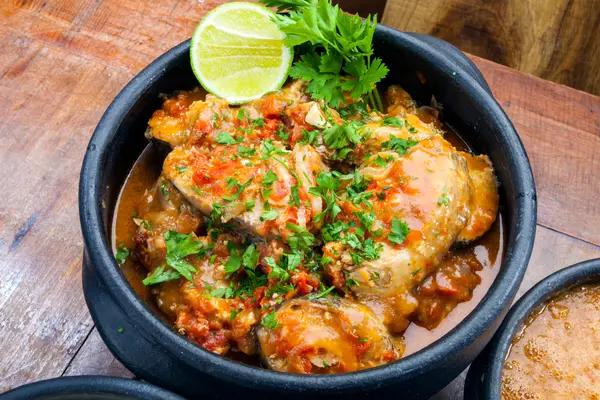
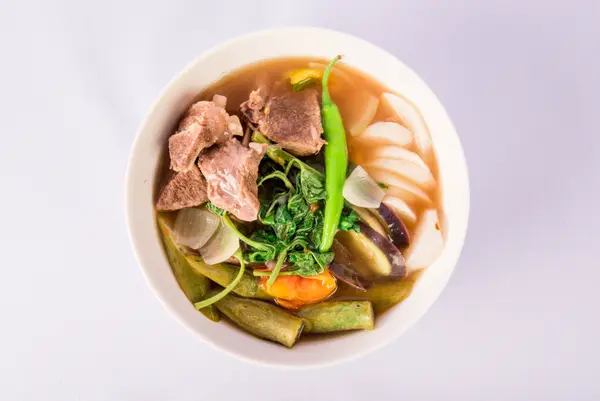 LunchSinigangFilipino · 1 hr 30 min
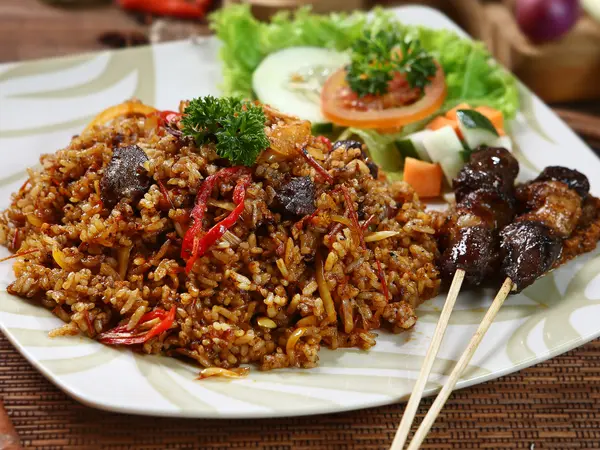
- + Serve with Lawar (Indonesian)
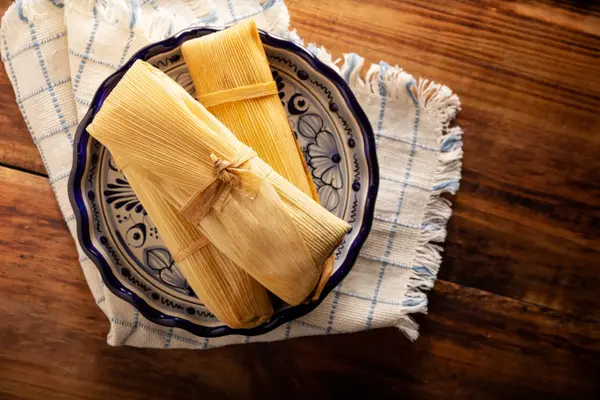
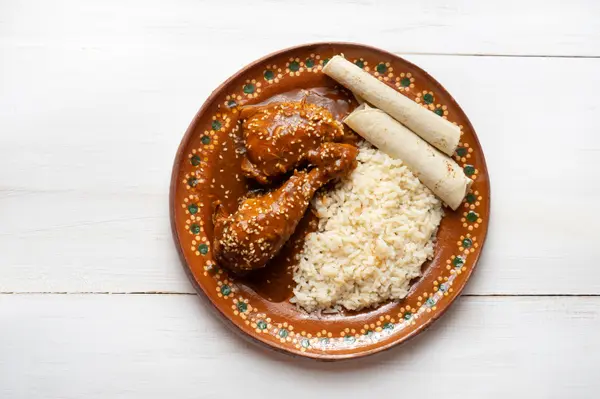 DinnerPollo con Mole y TortillasMexican · 3 hr 45 min
- + Serve with Corn Tortillas
- + Finish with Salsa Roja
Wednesday
Thursday
Friday
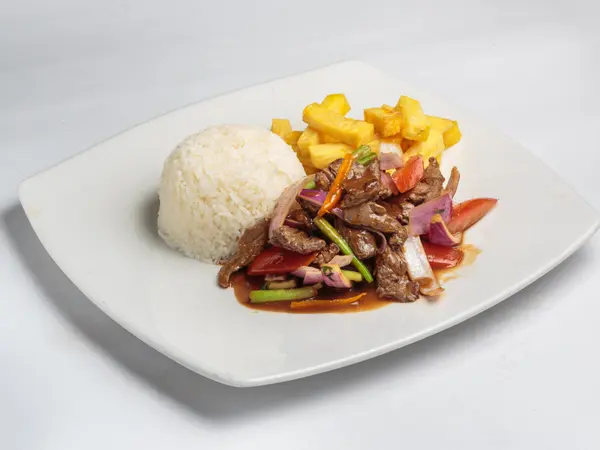 DinnerLomo SaltadoPeruvian · 25 min
- + Serve with Ensalada Chilena (Chilean)
- + Finish with Salsa Criolla
Saturday
Sunday


How we built this plan
- Added sugar at most 1 tsp (4 g) per serving, counting sugar, honey, syrups, jaggery and jam in the ingredient list.
- No added sugar or dried fruit combined with starchy foods (grains, beans, corn, potato, plantain): a recipe is only labelled diabetic-friendly when it carries no risk (dietitian review, November 2026).
- Breakfast: no starchy staples or sweet fruit, at most 30 g carbohydrate where known, and a protein food.
- Lunch and dinner: no refined-flour products, a protein food and at least two vegetables, at most 45 g carbohydrate where known.
- No white potatoes, sago or taro: they raise blood sugar quickly (dietitian review, October 2026). Sweet potato is fine.
- No plain white rice, cassava (fufu, attiéké, gari) or white maize porridge (sadza, ugali, pap) served as the staple: they raise blood sugar quickly and offer little fibre (dietitian review, November 2026). Mixed dishes with some rice are fine in a smaller portion.
- Use low-sodium or salt-free stock: regular stock can triple the sodium in a soup or stew (dietitian review, October 2026).
- No deep-fried dishes.
- No alcohol, including wine or spirits cooked into a dish.
- No raw or undercooked fish, shellfish, meat or eggs (sushi, ceviche, tartare, tiramisu, homemade mayonnaise and the like).
- No high-mercury fish: shark, swordfish, king mackerel, marlin, orange roughy, tilefish, bigeye tuna.
- No soft or fresh cheeses that can carry Listeria unless pasteurized (brie, camembert, blue cheeses, queso fresco, queso blanco, panela).
- No deli or cured meats, pâté or liver (vitamin A), and no raw sprouts.
- No coffee- or tea-based recipes, to help keep caffeine under 200 mg a day.
- Use commercially pasteurized milk, kefir, cream and yogurt, and pasteurized frozen fruit purées such as açaí.
- No ackee: unripe or badly prepared ackee can cause dangerously low blood sugar (dietitian review, October 2026).
Guidelines it follows
- ACOG Practice Bulletin 190 (Gestational Diabetes Mellitus) and ADA Standards of Care section 15: carbohydrate spread across the day, lower at breakfast.
- ACOG, FDA and CDC food safety in pregnancy.
We check every rule against each recipe's own ingredient list, not just its tags.
This plan is general inspiration, not medical or nutrition advice. If you have allergies or a medical condition, check each recipe's ingredients and talk to your doctor or a dietitian.
More meal plans
- Diabetic Meal Plan
- Pregnancy Meal Plan
- Heart-Healthy Meal Plan
- DASH Diet Meal Plan
- Hypertension Diet Meal Plan
- Low-Sodium Meal Plan
- Anti-Inflammatory Meal Plan
- Renal Diet Meal Plan
- Gout Diet Meal Plan
- GERD Diet Meal Plan
- Heartburn Diet Meal Plan
- Anemia Diet Meal Plan
- Anti-Candida Meal Plan
- Alkaline Diet Meal Plan
- Detox Meal Plan
- All meal plans