
Korean recipe from Seoul
Tteokbokki
Korea's chewy rice cakes simmered in a sweet and spicy gochujang sauce. A favorite street snack, ready in under half an hour.
- Prep
- 10 min
- Cook
- 20 min
- Soak
- 30 min
- Total
- 1 hr
- Servings
- 4
- Difficulty
- Intermediate
- Course
- Snacks
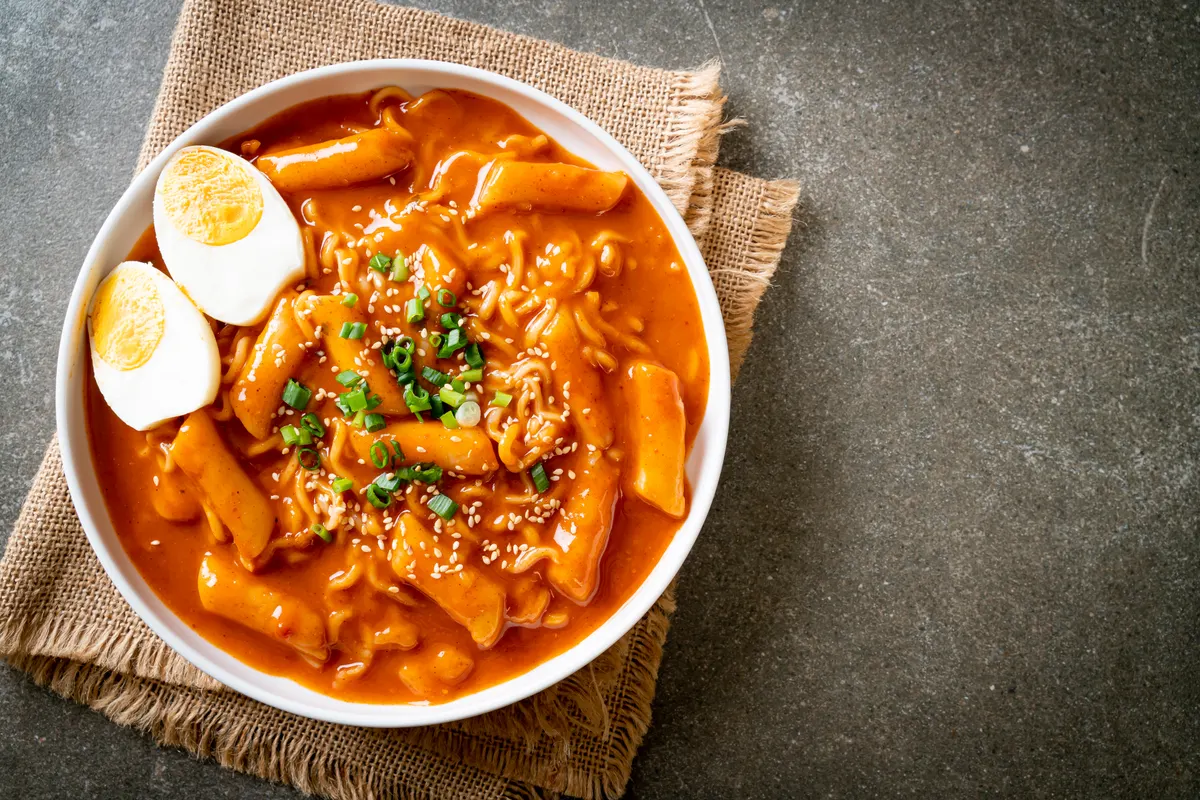
About this dish
Dive into the world of Korean cuisine with our irresistible Tteokbokki recipe. This popular street food dish features chewy rice cakes smothered in a spicy and savory sauce, creating a delightful explosion of flavors. Follow our authentic recipe to recreate the magic of Tteokbokki in your own kitchen and enjoy the perfect balance of heat, sweetness, and umami. It's a fantastic dish to share with friends and family, offering a truly satisfying and comforting experience.
Instructions
Soak the dried kelp and shiitake mushrooms in the 2 cups of water for at least 30 minutes to make a broth. Then, remove the kelp and mushrooms.
In a mixing bowl, prepare the sauce by combining gochugaru, gochujang, sugar, soy sauce, minced garlic, and sesame oil. Mix well until you have a smooth, consistent sauce. Adjust the level of spiciness and sweetness to your liking.
In a deep pan or a Korean-style pot (known as a "ttukbaegi"), add the kelp-mushroom broth you prepared in step 1. Bring the broth to a gentle simmer.
Add the sliced onion and cabbage to the simmering broth. Let them cook until they soften, which should take about 2-3 minutes.
Once the vegetables are tender, add the rice cakes (Tteok) to the pot. Simmer them until they become soft and chewy. This usually takes about 8-10 minutes. Stir occasionally to prevent sticking.
Add the sauce mixture to the pot. Stir it into the broth and rice cakes, making sure it's evenly distributed.
If you're using fish cake, add the sliced fish cake to the pot at this point.
Let the Tteokbokki simmer for an additional 5-7 minutes, allowing the flavors to meld and the sauce to thicken.
Taste the dish and adjust the seasoning with salt if needed.
Just before serving, add the sliced scallions and let them cook for about 1 minute until they slightly wilt.
Arrange the Tteokbokki in a serving bowl or dish. Place the sliced hard-boiled egg on top.
Garnish your Tteokbokki with toasted sesame seeds to add a nutty flavor and some visual appeal.
Cooking tips
1. For an extra kick of flavor, add some fish cakes, boiled eggs, or sliced vegetables like cabbage or carrots to your Tteokbokki.
2. Adjust the spiciness by increasing or reducing the amount of gochujang (Korean chili paste) and gochugaru (Korean chili flakes) according to your taste preference.
3. To achieve the desired chewy texture, make sure not to overcook the rice cakes, as they can become too soft and lose their bite.
4. Serve Tteokbokki hot and enjoy it as a standalone meal or pair it with some Korean side dishes like kimchi or pickled radish for a complete dining experience.
Frequently asked questions
Where does Tteokbokki come from?
Tteokbokki is a dish from South Korea. Korea's chewy rice cakes simmered in a sweet and spicy gochujang sauce. A favorite street snack, ready in under half an hour.
How long does it take to make Tteokbokki?
About 1 hr in total: 10 min of prep, 20 min of cooking and 30 min of hands-off waiting time. The recipe serves 4.
Is Tteokbokki lactose free?
Yes. As written, this recipe is lactose free. If you cook for allergies, check the labels on stocks, sauces and spice blends.
What equipment do I need for Tteokbokki?
Deep pot or korean ttukbaegi: a deep pot or a traditional korean ttukbaegi is ideal for cooking tteokbokki. it should be large enough to hold the ingredients and allow for simmering the sauce and rice cakes.
You might also like
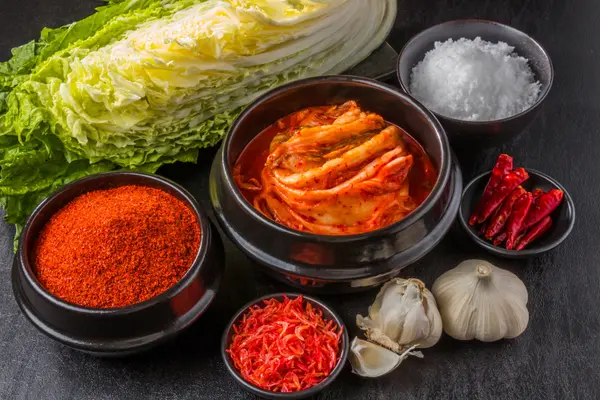
Kimchi
Korea's famous spicy fermented napa cabbage with chili, garlic, ginger and green onions. Eaten with every meal.
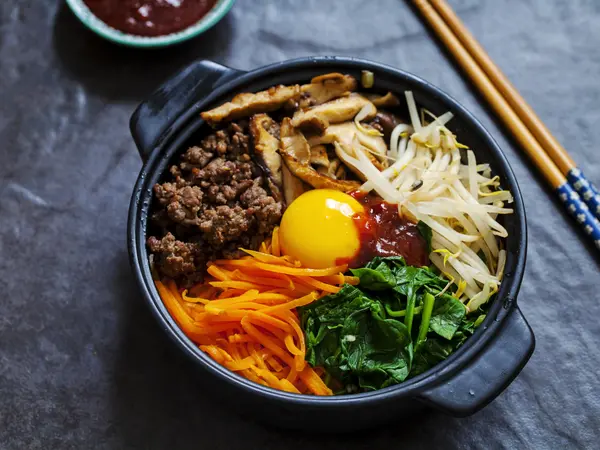
Bibimbap
Warm white rice topped with namul or kimchi and gochujang, soy sauce or doenjang with meat and vegetables
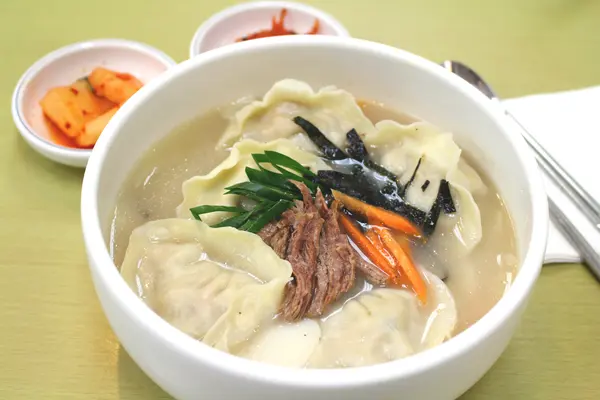
Manduguk
Korea's comforting dumpling soup of pork and vegetable dumplings in a savory broth with egg ribbons and green onions.
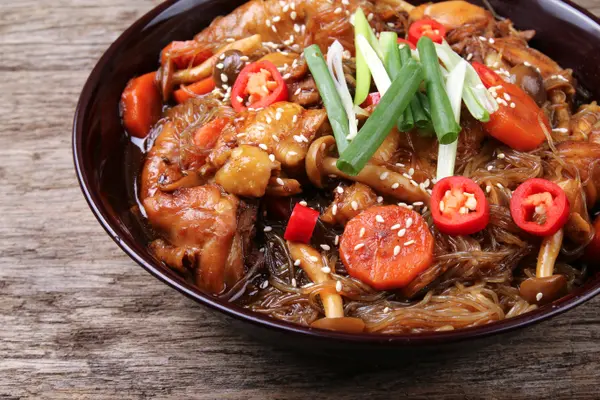
Andong Chicken
A Korean braise of chicken legs simmered in a sweet, spicy sauce of soy, honey, ginger and gochujang. A favorite from Andong.
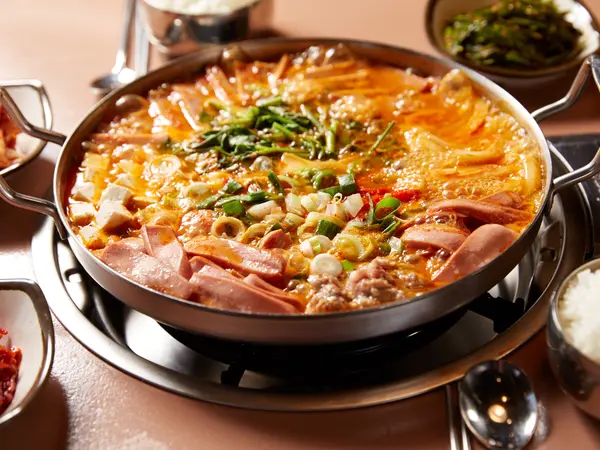
Budae Jjigae
Spicy Korean army stew of Spam, kimchi, tofu and ramen noodles in a gochujang broth.
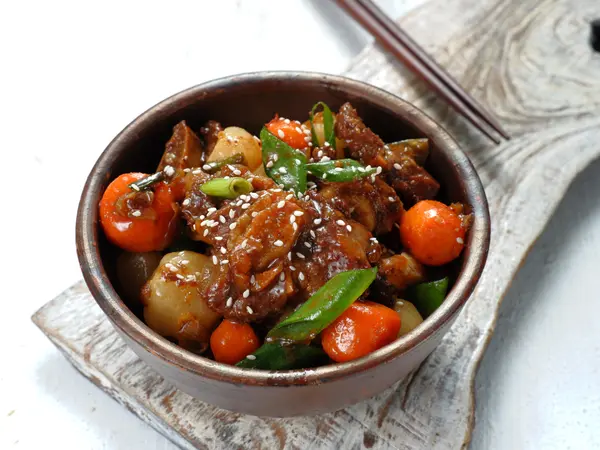
Galbi Jjim
Korea's festive braised beef short ribs in a sweet soy sauce with garlic and vegetables, cooked until falling off the bone.
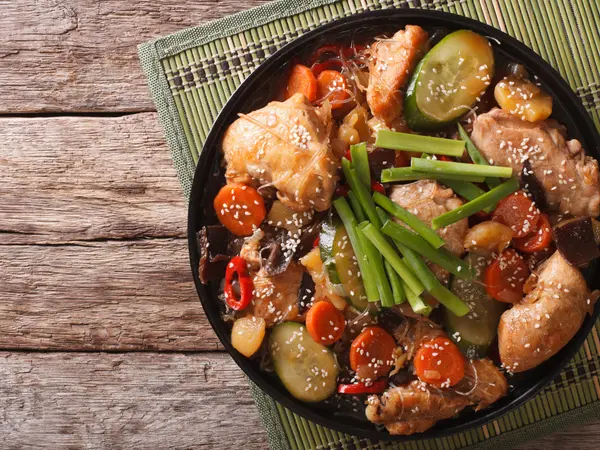
Jjimdak
Korea's soy-braised chicken with potatoes, carrots, mushrooms and glass noodles in a sweet and savory sauce. Serve with rice.
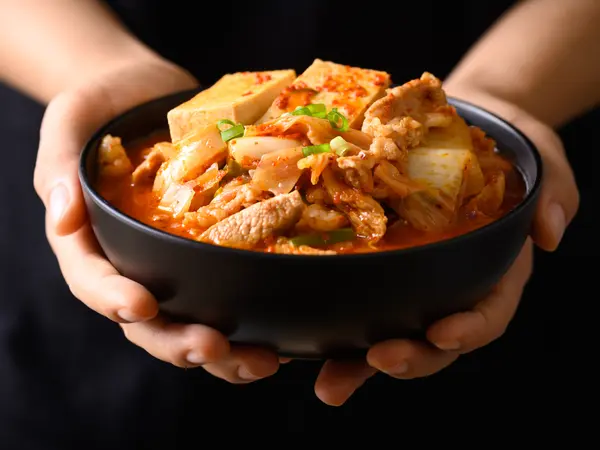
Kimchi Jjigae
Korea's warming stew of aged kimchi, pork and tofu, simmered until sour, spicy and rich. Serve with steamed rice.