
Korean recipe
Haemul Pajeon
Crisp Korean seafood and scallion pancake with squid and shrimp, dipped in soy vinegar sauce.
- Prep
- 15 min
- Cook
- 15 min
- Total
- 30 min
- Servings
- 2 large pancakes
- Difficulty
- Beginner
- Course
- Appetizer
About this dish
Pajeon is a savory pancake loaded with whole scallions; haemul pajeon adds squid, shrimp and other seafood. Koreans traditionally eat it on rainy days, with makgeolli rice wine, because the sizzle in the pan is said to sound like rain. Use very cold water and plenty of oil for a crisp edge.
Instructions
Whisk the flour, cold water and egg into a thin batter.
Heat 2 tablespoons oil in a large pan over medium-high heat. Lay in half the scallions in one direction.
Pour over half the batter, then scatter with half the seafood and chili and drizzle a little more batter on top.
Cook 4 minutes until crisp underneath, flip and press down, adding oil around the edges. Cook 3 minutes more.
Repeat, cut into squares and serve with the dipping sauce.
Storage
Best fresh.
Dietitian’s notes
Suitable for: anemia
- One portion
- 1 serving
Reviewed by Dr. Sehrish Nasreen, DHND, November 2026.
Nutrition per serving
- 559kcal
- Calories
- 28g
- Protein
- 55g
- Carbs
- 26g
- Fat
- 3g
- Fiber
- 4g
- Saturated fat
Estimated values.
Frequently asked questions
Where does Haemul Pajeon come from?
Haemul Pajeon is a dish from South Korea. Crisp Korean seafood and scallion pancake with squid and shrimp, dipped in soy vinegar sauce.
How long does it take to make Haemul Pajeon?
About 30 min in total: 15 min of prep and 15 min of cooking. The recipe serves 2 large pancakes.
Is Haemul Pajeon lactose free or nut free?
Yes. As written, this recipe is lactose free, nut free and pescatarian. If you cook for allergies, check the labels on stocks, sauces and spice blends.
Can I make Haemul Pajeon ahead or store leftovers?
Best fresh.
You might also like
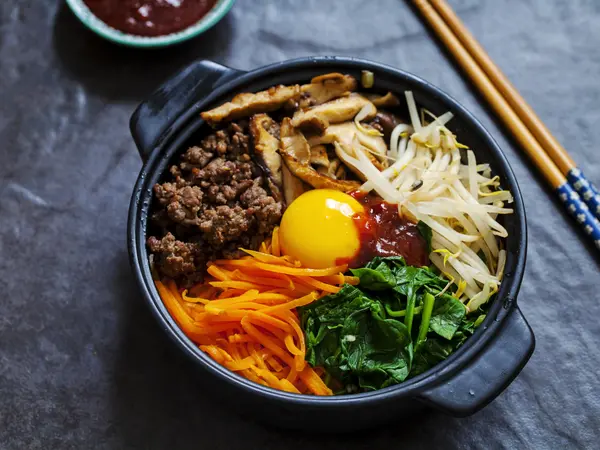
Bibimbap
Warm white rice topped with namul or kimchi and gochujang, soy sauce or doenjang with meat and vegetables
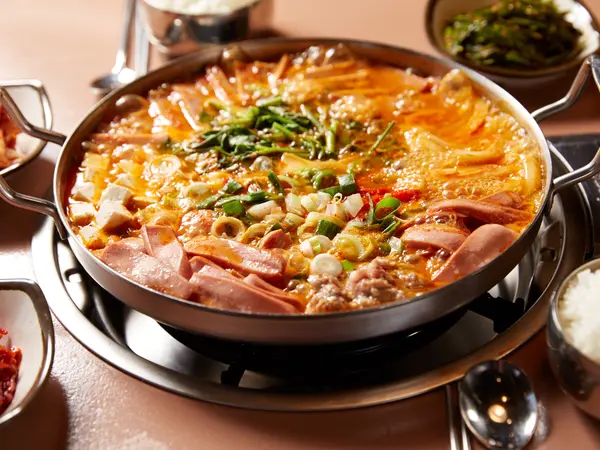
Budae Jjigae
Spicy Korean army stew of Spam, kimchi, tofu and ramen noodles in a gochujang broth.
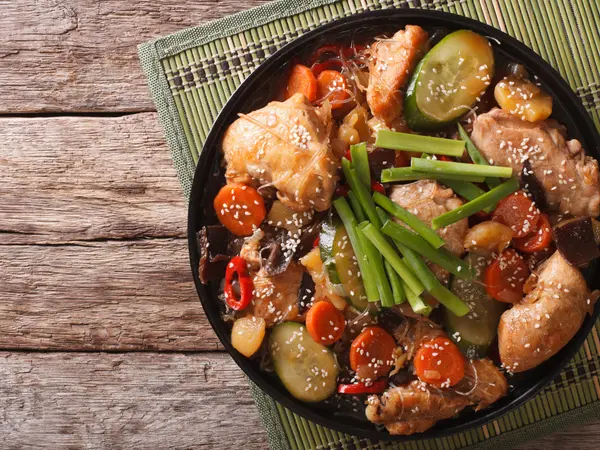
Jjimdak
Korea's soy-braised chicken with potatoes, carrots, mushrooms and glass noodles in a sweet and savory sauce. Serve with rice.
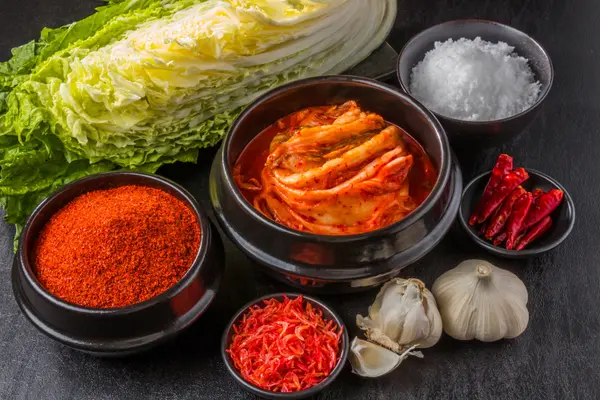
Kimchi
Korea's famous spicy fermented napa cabbage with chili, garlic, ginger and green onions. Eaten with every meal.
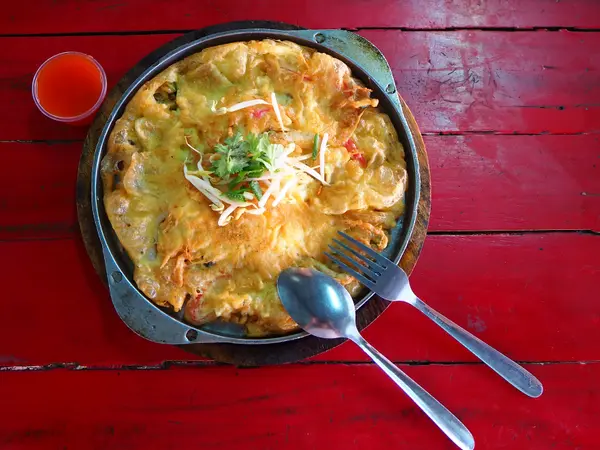
Oyster Pancakes/Oyster Omelette
Taiwan's night-market favorite: a soft, chewy omelet with fresh oysters, bean sprouts and greens, topped with sweet sauce.
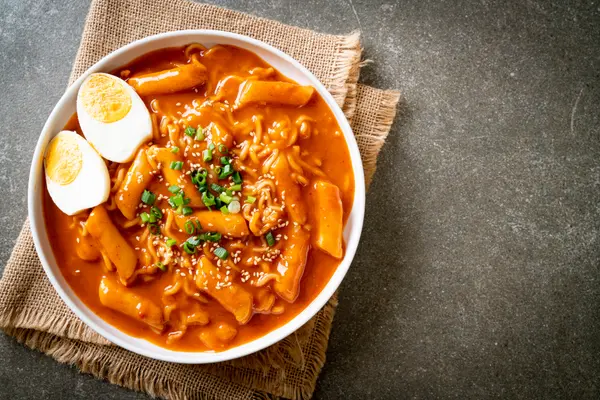
Tteokbokki
Korea's chewy rice cakes simmered in a sweet and spicy gochujang sauce. A favorite street snack, ready in under half an hour.
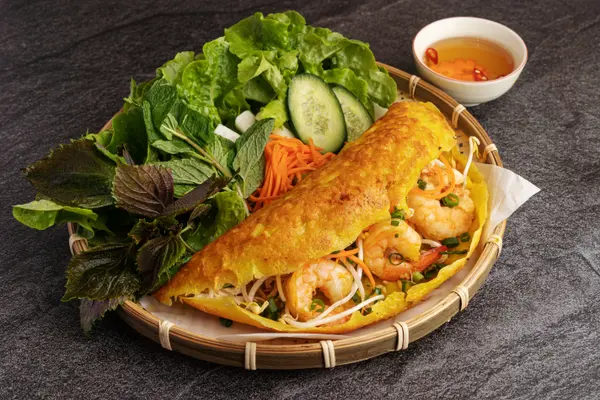
Banh Xeo
Vietnam's crisp, golden rice flour and coconut pancakes, filled with fillings and wrapped in lettuce and herbs for dipping.
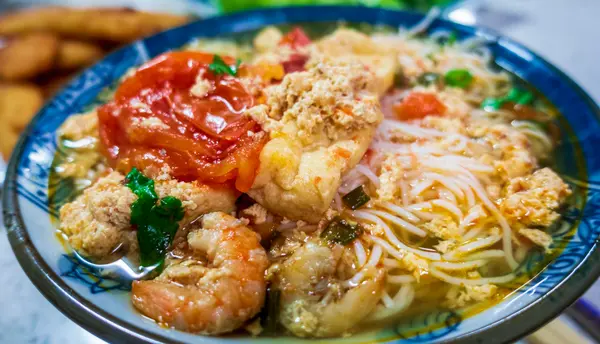
Bun Rieu
Vietnam's tangy crab and tomato noodle soup with pork, soft crab cakes and rice vermicelli, served with fresh herbs and lime.