
Indian recipe
Gulab Jamun
India's festival sweet: soft milk dough balls fried until golden brown, then soaked in warm syrup scented with cardamom.
- Prep
- 10 min
- Cook
- 20 min
- Soak
- 1 hr
- Total
- 1 hr 30 min
- Servings
- 14
- Difficulty
- Advanced
- Course
- Desserts
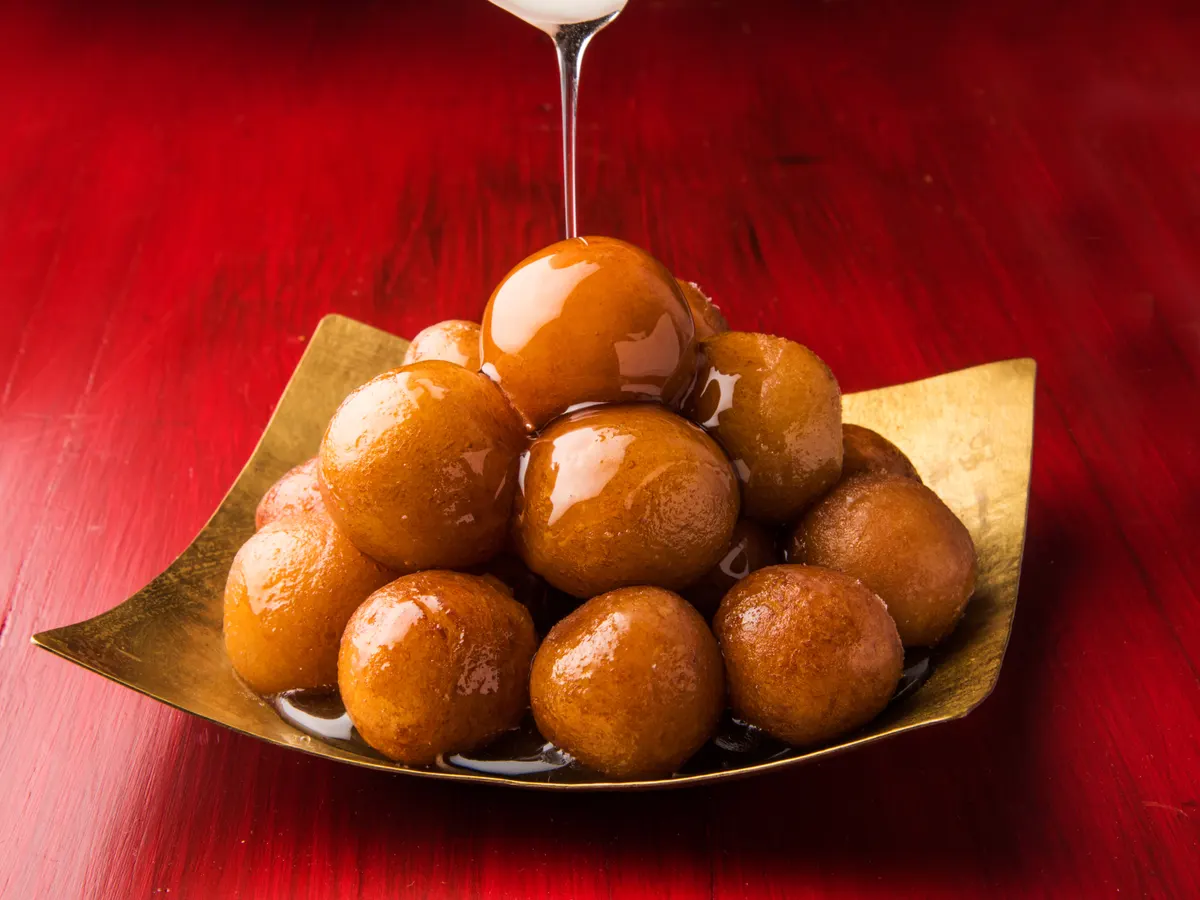
About this dish
Gulab Jamun is a beloved Indian dessert known for its soft, melt-in-your-mouth dumplings soaked in fragrant sugar syrup.
Instructions
Preparing the Sugar Syrup
In a saucepan, combine the sugar and water. Place it over medium heat, stirring until the sugar dissolves.
Add the crushed cardamom pods and saffron strands (if using) to the sugar syrup. Bring it to a boil, then reduce the heat and simmer for 5-7 minutes until it thickens slightly.
Remove the syrup from the heat, add rose water (if using), and set it aside to cool. The syrup should be warm when you soak the Gulab Jamun.
Making the Gulab Jamun Dough
In a mixing bowl, combine the milk powder, all-purpose flour, baking soda, and cardamom powder.
Add the ghee to the dry ingredients and mix until it resembles coarse breadcrumbs.
Gradually add milk, a little at a time, and knead the mixture into a soft, smooth dough. The dough should be slightly sticky but manageable. If it's too dry, add a bit more milk.
Cover the dough with a damp cloth and let it rest for 10-15 minutes.
Shaping and Frying the Gulab Jamun
While the dough is resting, heat enough vegetable oil or ghee in a deep pan over medium-low heat. The oil should be hot but not smoking.
Divide the dough into small, even-sized portions and roll them into smooth balls without any cracks. Make sure they are not too big, as they will expand when frying.
Gently slide the Gulab Jamun balls into the hot oil, a few at a time, and fry them on low to medium-low heat. Stir the oil gently to ensure even cooking. Fry until they turn golden brown, which should take about 7-10 minutes. Avoid high heat, as it can cause the Gulab Jamun to brown too quickly on the outside while remaining uncooked inside.
Using a slotted spoon, carefully remove the fried Gulab Jamun and drain excess oil by placing them on a paper towel.
Soaking the Gulab Jamun
While the Gulab Jamun is still warm, gently place them in the warm sugar syrup. Ensure the syrup covers them completely.
Allow the Gulab Jamun to soak in the syrup for at least 1-2 hours or until they become soft, spongy, and well-soaked. They will absorb the syrup and double in size.
Cooking tips
The dough should not be too dry or too wet. Adjust the amount of milk as needed to achieve a soft, manageable consistency. Let the Gulab Jamun soak in the syrup for at least 1-2 hours for the best texture and flavor. You can also refrigerate them and serve chilled.
Nutrition per serving
- 153kcal
- Calories
- 3g
- Protein
- 24g
- Carbs
- 5g
- Fat
- <1g
- Fiber
- 21g
- Sugar
- 39mg
- Sodium
Estimated values.
Frequently asked questions
Where does Gulab Jamun come from?
Gulab Jamun is a dish from India. India's festival sweet: soft milk dough balls fried until golden brown, then soaked in warm syrup scented with cardamom.
How long does it take to make Gulab Jamun?
About 1 hr 30 min in total: 10 min of prep, 20 min of cooking and 1 hr of hands-off waiting time. The recipe serves 14.
Is Gulab Jamun vegetarian?
Yes. As written, this recipe is vegetarian. If you cook for allergies, check the labels on stocks, sauces and spice blends.
Can I make Gulab Jamun ahead or store leftovers?
The dough should not be too dry or too wet. Adjust the amount of milk as needed to achieve a soft, manageable consistency. Let the Gulab Jamun soak in the syrup for at least 1-2 hours for the best texture and flavor. You can also refrigerate them and serve chilled.
What equipment do I need for Gulab Jamun?
Saucepan, mixing bowl and frying pan.
Also made in
The same dish, cooked the way other cuisines make it.
You might also like
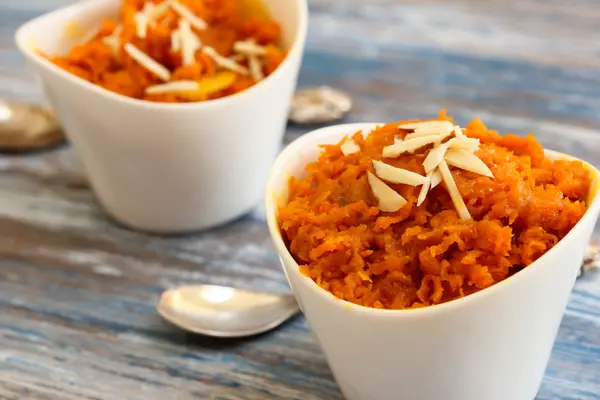
Carrot Halwa
North India's winter dessert of grated carrots slowly cooked in milk with ghee, sugar and cardamom, finished with nuts and raisins.
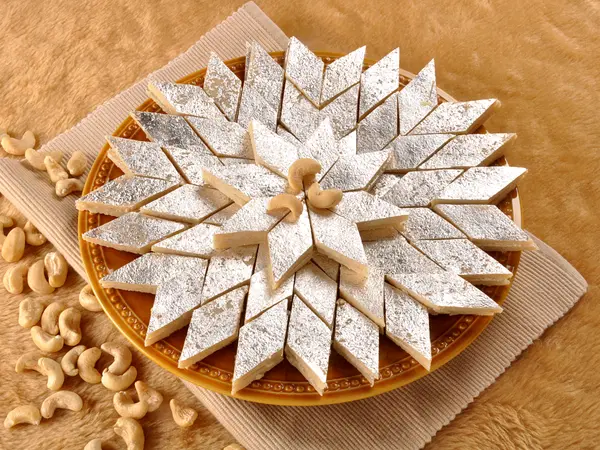
Kaju Barfi
Cashew fudge flavored with cardamom and saffron.
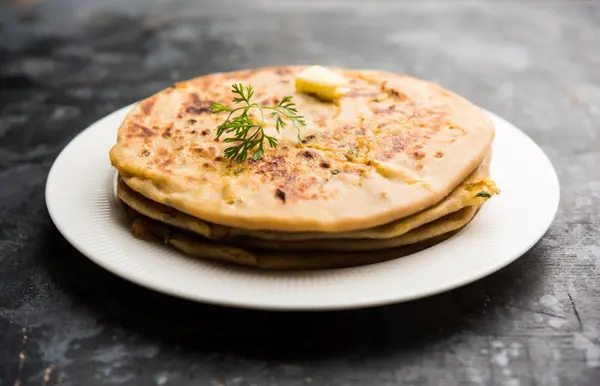
Aloo Paratha
Whole wheat flatbreads stuffed with spiced mashed potato and cooked on a griddle with butter. North India's favorite breakfast, with yogurt and pickle.

Bhel Puri
Mumbai's favorite street snack: puffed rice tossed with potato, onion, tomato, crisp sev and sweet-and-tangy chutneys. Eat it straight away.
Bebinca
Goa's Christmas cake of many thin layers of coconut milk, egg yolk and ghee, each baked under the broiler until golden.
Besan Ladoo
Melt-in-the-mouth Indian sweets of roasted gram flour, ghee, sugar and cardamom, rolled into balls.
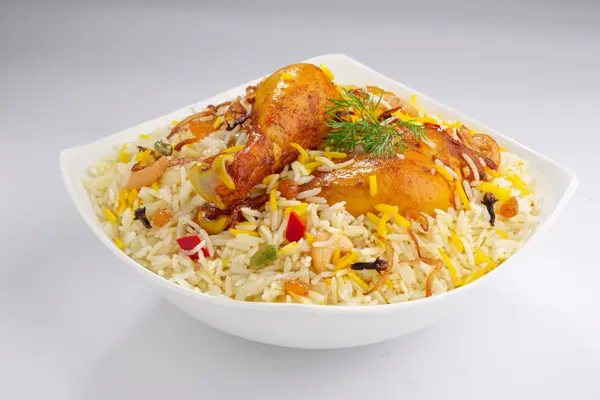
Biryani
Fragrant basmati rice layered with spiced curry and whole spices, then cooked together slowly until every grain is perfumed.
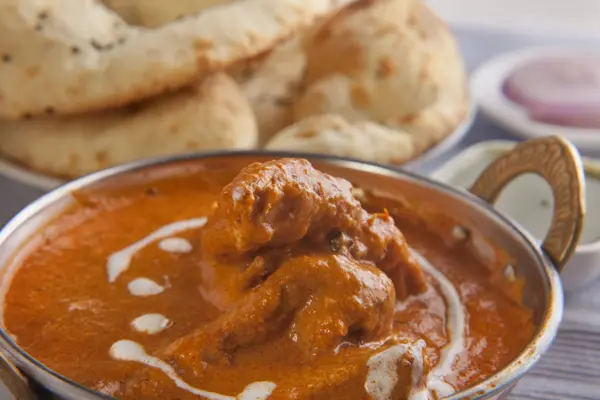
Butter Chicken
Tender chicken in a creamy, mildly spiced tomato and butter sauce. India's most-loved curry, made for naan and rice.