
Persian recipe
Ash Reshteh
Thick Persian herb, bean and noodle soup topped with kashk, fried mint and crispy onions, eaten for Nowruz.
- Prep
- 30 min
- Cook
- 1 hr 30 min
- Total
- 2 hr
- Servings
- 8
- Difficulty
- Intermediate
- Course
- Soup/Stew
About this dish
Ash reshteh is made in Iran before Nowruz, the Persian New Year, because the noodles (reshteh) stand for the threads of life and good fortune. Beans, lentils and chickpeas cook with masses of herbs and spinach, then thin noodles thicken it. The toppings make it: tangy kashk (whey), mint oil and fried onions and garlic.
Instructions
Simmer the chickpeas and beans in the stock 1 hour (skip for canned).
Fry the onions in the oil until deep golden and crisp. Take half out for topping. Fry the garlic until golden and take half out.
Add the turmeric, lentils and the onion-garlic left in the pan to the beans. Simmer 20 minutes.
Add the herbs, spinach and salt and simmer 20 minutes.
Add the noodles and cook 10 minutes until thick.
Fry the mint in 2 tablespoons oil for a few seconds. Serve topped with kashk, mint oil, crispy onions and garlic.
Cooking tips
Use low-sodium or salt-free stock. With regular stock a serving has about 1,500 mg of sodium; low-sodium stock brings it to about 700 mg and salt-free stock to under 600 mg.
Storage
Keeps 4 days in the fridge; add water when reheating.
Dietitian’s notes
Suitable for: diabetes, gestational diabetes, pregnancy, anti-inflammatory, gout, anemia
- Gout and diabetic plans
- 1 cup
- Pregnancy and anemia plans
- 1½ cups
- Use low-sodium or salt-free stock. With regular stock a serving has about 1,500 mg of sodium, far too much for gout, high blood pressure or diabetes.
For diabetics:
- If you have diabetic kidney disease (nephropathy), watch your sodium, potassium and phosphorus intake.
- If you have heart disease, watch your sodium and saturated fat intake.
- If you have high blood pressure, watch your sodium intake.
- If you have liver disease, watch your fat intake.
- If you have thyroid disease, watch your iodine intake.
Reviewed by Dr. Sehrish Nasreen, DHND, November 2026.
Nutrition per serving
- 390kcal
- Calories
- 14g
- Protein
- 46g
- Carbs
- 15g
- Fat
- 15g
- Fiber
- 2g
- Saturated fat
Estimated values.
Frequently asked questions
Where does Ash Reshteh come from?
Ash Reshteh is a dish from Iran. Thick Persian herb, bean and noodle soup topped with kashk, fried mint and crispy onions, eaten for Nowruz.
How long does it take to make Ash Reshteh?
About 2 hr in total: 30 min of prep and 1 hr 30 min of cooking. The recipe serves 8.
Is Ash Reshteh vegetarian or nut free?
Yes. As written, this recipe is vegetarian, nut free and high protein. If you cook for allergies, check the labels on stocks, sauces and spice blends.
Can I make Ash Reshteh ahead or store leftovers?
Keeps 4 days in the fridge; add water when reheating.
You might also like
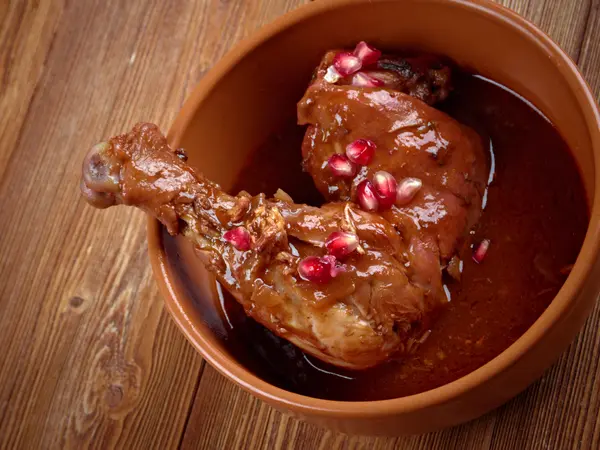
Khoresht-e Fesenjan
Iran's rich celebration stew of chicken in a sweet-sour sauce of ground walnuts and pomegranate molasses. Serve with saffron rice.
Khoresht-e Ghormeh Sabzi
Iran's beloved herb stew of meat, kidney beans and dried limes, slowly simmered with masses of fried herbs. Served with saffron rice.
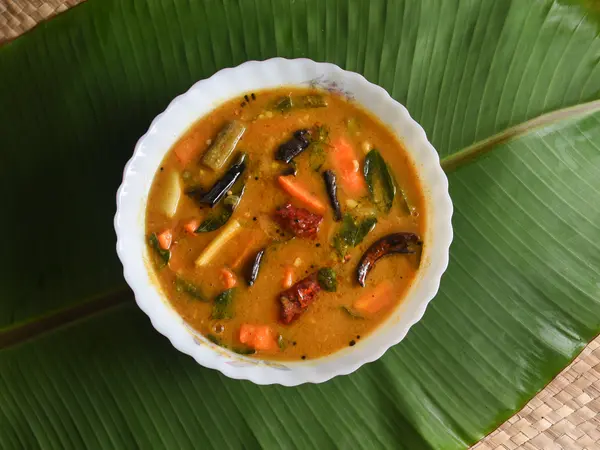
Sambhar
South India's tangy lentil and vegetable stew, simmered with tamarind and sambar powder. Serve it with rice, idli or dosa.
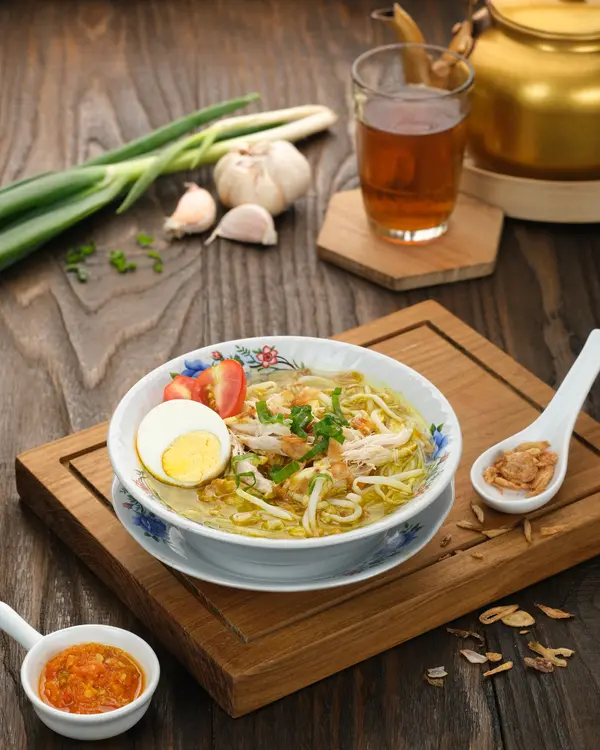
Soto
Indonesia's fragrant golden chicken soup, simmered with lemongrass, galangal and lime leaves. Served with noodles, egg and lime.
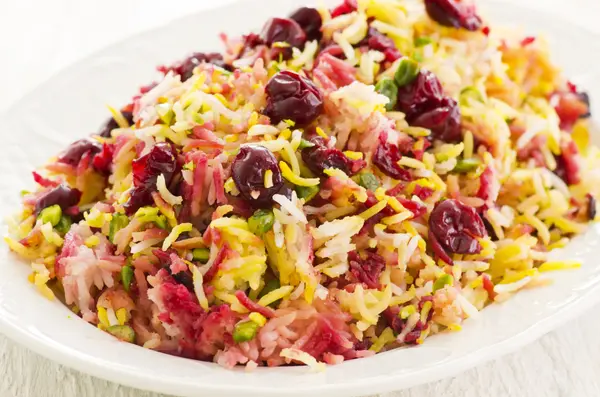
Albaloo Polo
Iran's sweet-sour sour cherry rice, layered with saffron basmati and chicken.

Bibimbap
Warm white rice topped with namul or kimchi and gochujang, soy sauce or doenjang with meat and vegetables

Bobó de Camarão
Brazil's creamy shrimp stew from Bahia, thickened with mashed cassava and cooked with tomatoes, onions and plenty of cilantro.
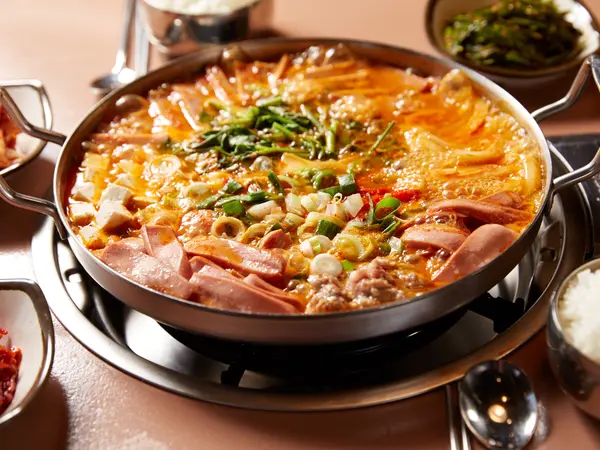
Budae Jjigae
Spicy Korean army stew of Spam, kimchi, tofu and ramen noodles in a gochujang broth.