
Korean recipe from Busan
Dwaeji Gukbap
Busan's milky pork bone soup with sliced pork, served with rice and seasoned at the table with shrimp jeot, chives and chili.
- Prep
- 20 min
- Cook
- 4 hr
- Total
- 4 hr 20 min
- Servings
- 4
- Difficulty
- Intermediate
- Course
- Lunch
About this dish
Dwaeji gukbap began in Busan during the Korean War, when refugees made soup from pork bones the US army left behind. Today whole streets in Busan serve it: a rich, cloudy broth with tender slices of pork, rice in the bowl or on the side, and salted shrimp, chives and chili paste to season it yourself.
Instructions
Soak the bones in cold water for 1 hour. Boil 10 minutes, drain and rinse.
Cover the bones with 4 quarts (4 liters) fresh water and boil hard, covered, for 3 hours, topping up with water, until the broth is milky white.
Add the pork shoulder, onion, leek, garlic and ginger and simmer 1 hour more. Lift out the pork and slice thinly. Strain the broth.
Put rice and sliced pork in bowls and pour over the boiling broth.
At the table, season with salted shrimp, chives, chili paste and green onion.
Storage
Broth keeps 4 days and freezes well.
Frequently asked questions
Where does Dwaeji Gukbap come from?
Dwaeji Gukbap is a dish from South Korea. Busan's milky pork bone soup with sliced pork, served with rice and seasoned at the table with shrimp jeot, chives and chili.
How long does it take to make Dwaeji Gukbap?
About 4 hr 20 min in total: 20 min of prep and 4 hr of cooking. The recipe serves 4.
Is Dwaeji Gukbap lactose free or nut free?
Yes. As written, this recipe is lactose free, nut free, gluten free and high protein. If you cook for allergies, check the labels on stocks, sauces and spice blends.
Can I make Dwaeji Gukbap ahead or store leftovers?
Broth keeps 4 days and freezes well.
You might also like
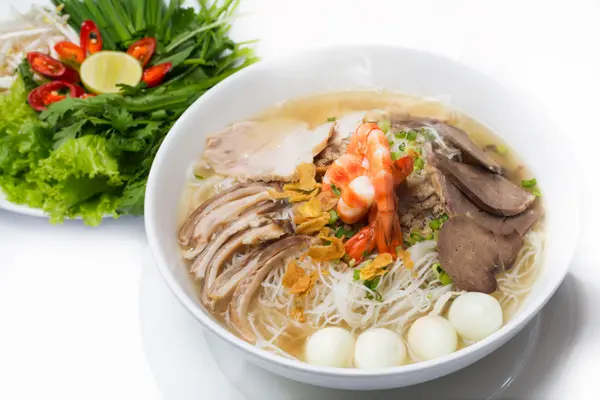
Hu Tieu
A Vietnamese noodle soup of rice noodles in a clear, sweet pork broth, topped with meat, herbs and lime.
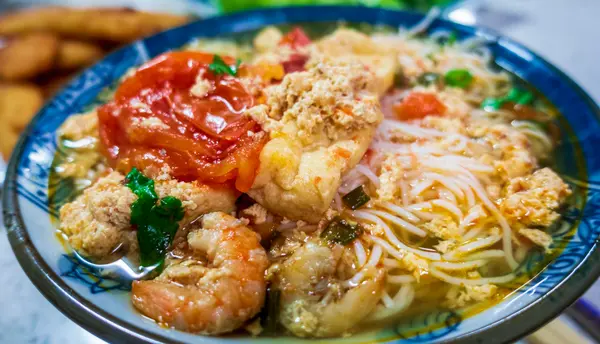
Bun Rieu
Vietnam's tangy crab and tomato noodle soup with pork, soft crab cakes and rice vermicelli, served with fresh herbs and lime.
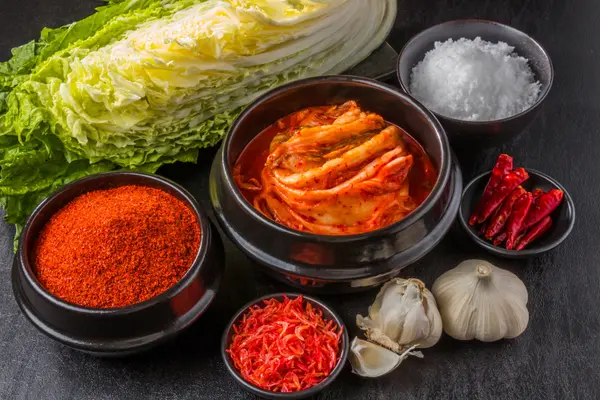
Kimchi
Korea's famous spicy fermented napa cabbage with chili, garlic, ginger and green onions. Eaten with every meal.
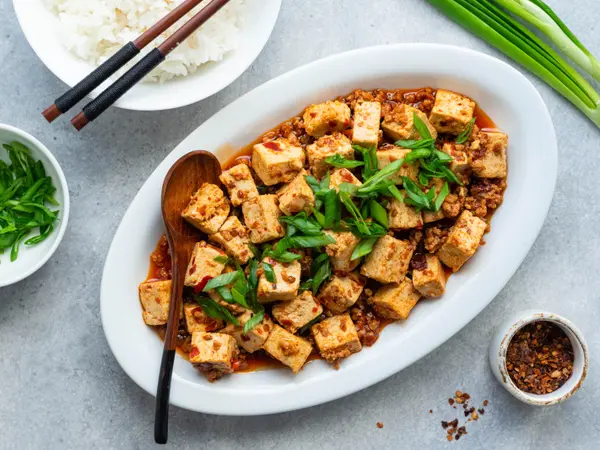
Mapo Tofu
Sichuan's famous fiery tofu: soft tofu and ground pork in a spicy chili bean sauce with garlic and green onion. Eat it over steamed rice.
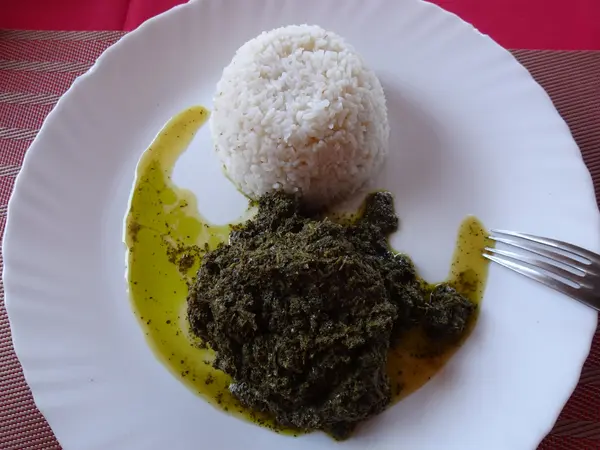
Ravitoto
Madagascar's dish of pounded cassava leaves cooked with pork or beef, garlic and onion. Served with rice.
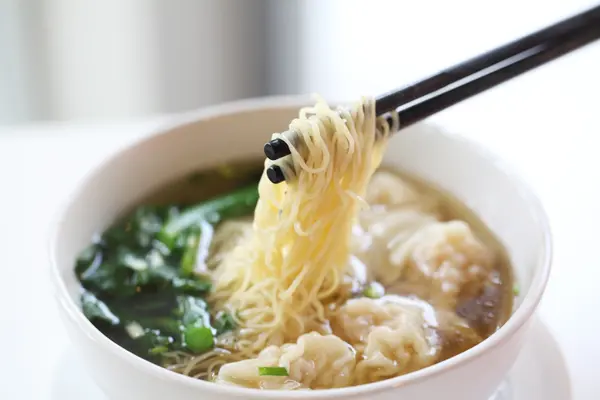
Wonton Noodle Soup
Hong Kong's classic noodle bowl: pork and shrimp wontons and thin egg noodles in a clear, gingery chicken broth with greens.
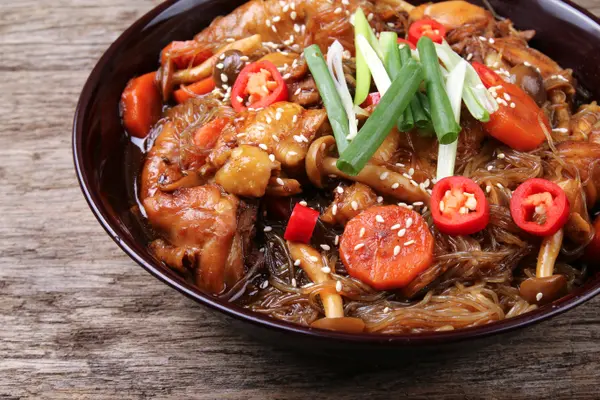
Andong Chicken
A Korean braise of chicken legs simmered in a sweet, spicy sauce of soy, honey, ginger and gochujang. A favorite from Andong.
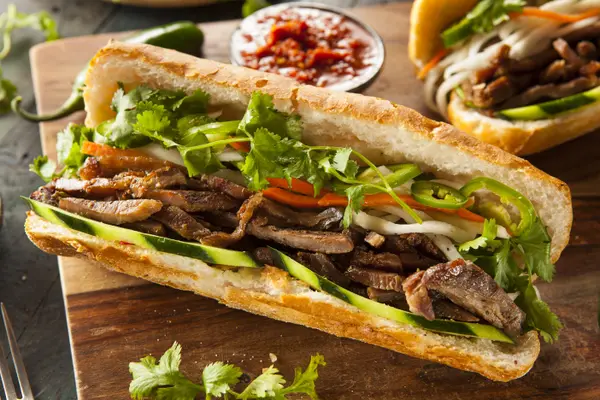
Banh Mi
Vietnam's famous sandwich: crisp baguette filled with marinated pork or tofu, pickled carrots and daikon, cucumber, cilantro and jalapeño.