
Uyghur recipe
Dapanji
Xinjiang's big plate chicken: chicken stewed with potatoes, peppers, dried chilies, Sichuan pepper and star anise, served over wide noodles.
- Prep
- 20 min
- Cook
- 1 hr
- Total
- 1 hr 20 min
- Servings
- 6
- Difficulty
- Intermediate
- Course
- Dinner
About this dish
Dapanji, big plate chicken, was created in the 1980s at roadside restaurants in northern Xinjiang for truck drivers and became one of the region's most famous dishes. A whole chopped chicken is stir-fried with dried chilies, Sichuan pepper, star anise and ginger, then stewed with potatoes and green peppers in a spicy, beer-and-soy sauce. It is served on a huge platter with wide, flat noodles underneath to soak up the sauce.
Instructions
Heat the oil in a wok or large pot over medium heat. Add the sugar and stir until it melts and turns amber.
Add the chicken and stir-fry over high heat 5 minutes, until coated and lightly browned.
Add the chilies, Sichuan pepper, star anise, ginger and garlic and stir 1 minute.
Add both soy sauces, the beer and enough water to almost cover. Bring to a boil, cover and simmer 20 minutes.
Add the potatoes and salt and simmer 20 minutes more, until tender. Add the peppers and onion and cook 5 minutes; the sauce should be thick.
Cook the noodles, drain and spread on a large platter. Pile the chicken and vegetables on top with plenty of sauce.
Cooking tips
Use fewer chilies for a milder dish. Fresh hand-pulled or thick belt noodles are traditional.
Storage
The stew keeps 3 days in the fridge. Cook noodles fresh.
Frequently asked questions
Where does Dapanji come from?
Dapanji is a dish from Xinjiang. Xinjiang's big plate chicken: chicken stewed with potatoes, peppers, dried chilies, Sichuan pepper and star anise, served over wide noodles.
How long does it take to make Dapanji?
About 1 hr 20 min in total: 20 min of prep and 1 hr of cooking. The recipe serves 6.
Is Dapanji lactose free or nut free?
Yes. As written, this recipe is lactose free, nut free and high protein. If you cook for allergies, check the labels on stocks, sauces and spice blends.
Can I make Dapanji ahead or store leftovers?
The stew keeps 3 days in the fridge. Cook noodles fresh.
You might also like
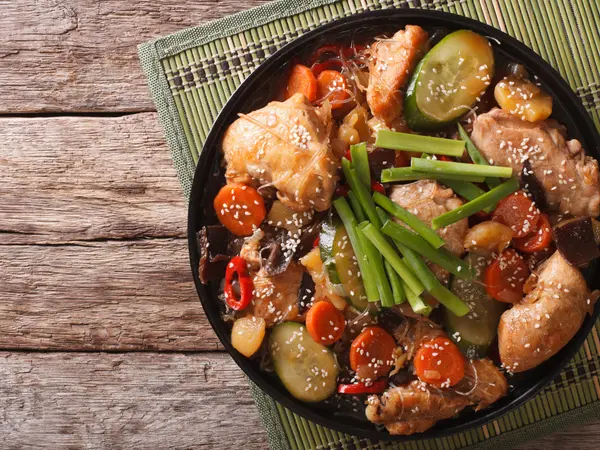
Jjimdak
Korea's soy-braised chicken with potatoes, carrots, mushrooms and glass noodles in a sweet and savory sauce. Serve with rice.
Laghman
The Uyghur noodle dish: hand-pulled noodles topped with a stir-fried sauce of lamb, peppers, tomato, celery, garlic and cumin.
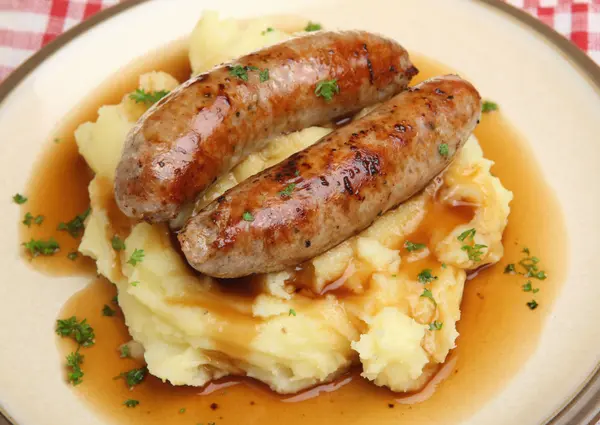
Bangers and Mash
Juicy sausages with creamy mashed potato and a rich onion gravy. Simple, hearty pub comfort food.
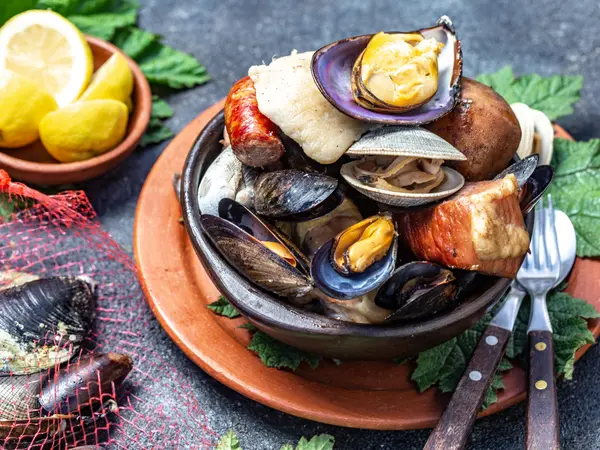
Curanto
A feast from Chiloé in southern Chile: clams, mussels, chicken, smoked pork, sausages and potatoes steamed together in one big pot.
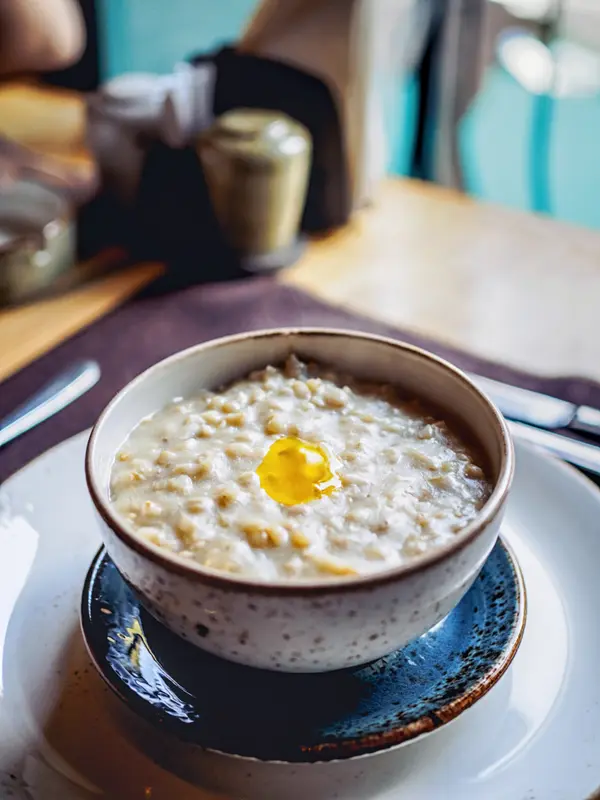
Harissa
Armenian wheat and chicken porridge, stirred for hours until smooth, then topped with a generous pool of melted butter.
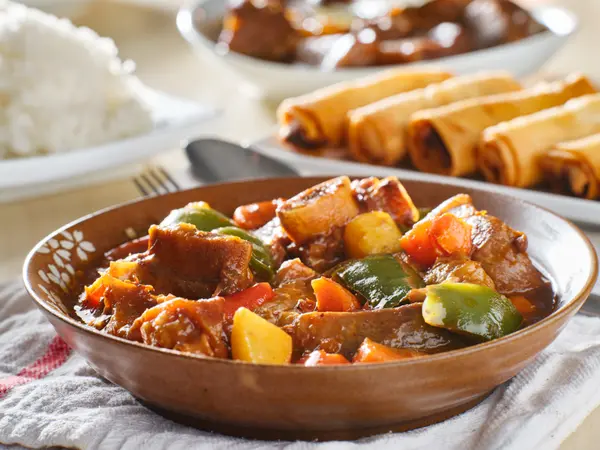
Kaldereta
The Philippines' rich beef stew in tomato sauce with liver spread, potatoes and peppers. A party favorite.
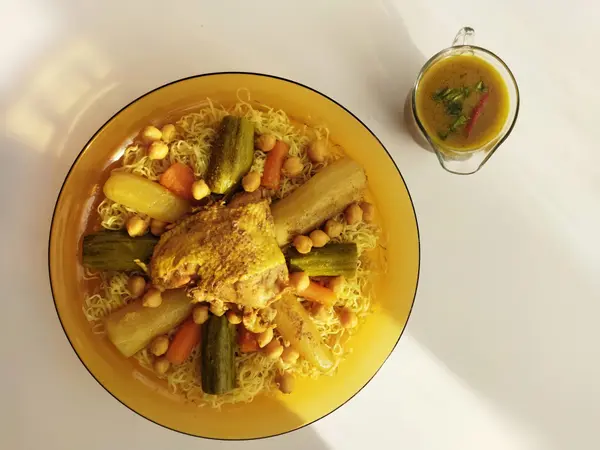
Rechta
Algeria's thin, flat hand-cut noodles, steamed and served with a white chicken, chickpea and turnip broth scented with cinnamon.
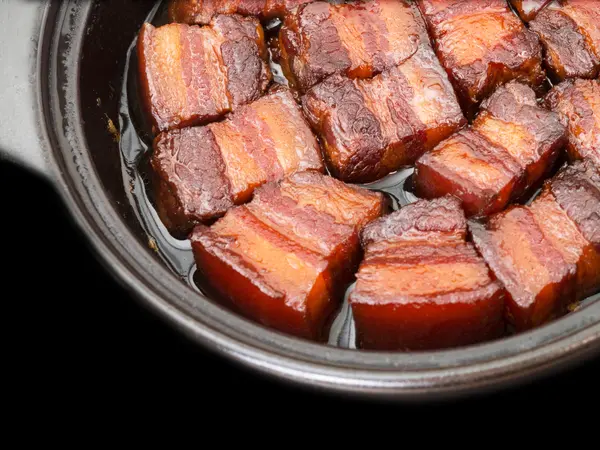
Red-Braised Pork
Pork belly cooked in ginger, garlic, spices, chilli peppers, sugar and soy sauce