
Syrian recipe
Yalanji
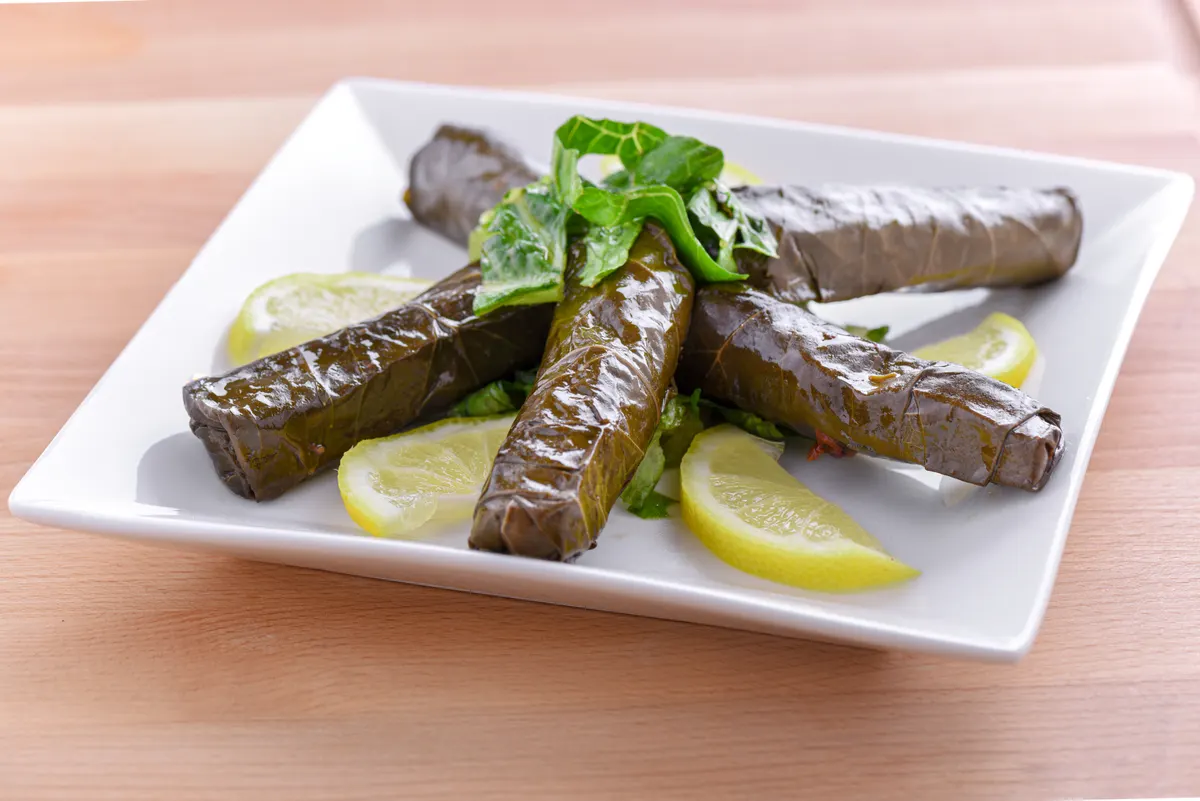
Syrian vine leaves rolled around rice, fresh herbs, tomato and pomegranate molasses and cooked in olive oil. Served cold as a mezze.
- Prep
- 10 min
- Cook
- 15 min
- Total
- 25 min
- Servings
- 5
- Difficulty
- Beginner
- Course
- Appetizer
About this dish
Indulge in the culinary poetry of Syria with Yalanji, a dish that dances on the taste buds like a symphony of flavors. Picture this: tender grape leaves cradling a treasure trove of rice, pine nuts, and a melody of aromatic herbs, all meticulously woven together to create little parcels of culinary perfection. Each bite is a journey through the sun-kissed landscapes of Syria, where the warmth of cinnamon, the brightness of mint, and the nutty embrace of pine nuts come together in a celebration of taste and tradition.
Instructions
Begin by preparing the filling. In a medium saucepan, heat the olive oil over medium heat. Add the rice and stir until it is coated in the oil. Add 1 ½ cups of cold water and season with salt and pepper. Bring to a boil, reduce the heat to low, cover the pan and cook for about 15 minutes until all the water is absorbed and the rice is cooked through.
Remove from heat and add chopped dill or mint, tomato paste, pomegranate molasses or lemon juice, sumac (optional), salt, and pepper; mix together until combined. Let cool completely before using as a stuffing.
Prepare your workspace by laying down parchment paper on your countertop or cutting board. Place each grape leaf over the parchment paper smooth side up; remove any stems if still attached. Cut away any thick veins in order to make a thinner leaf that will be easier to roll around the filling.
Take approximately 1 teaspoonful of cooled stuffing mixture into your hands and place it onto one end of each grape leaf; fold both ends inward towards the center then start rolling up towards remaining end like a cylinder shape by tucking in all sides as you go along until fully rolled up like a burrito wrap; use more stuffing if needed but try not to overstuff grapes leaves as they may break apart while cooking. Continue this process with remaining grape leaves & stuffing mixture until everything is used up nicely.
Cooking tips
1. You can cook Yalanji with enough water to cover them completely in pot or steamer basket so they don’t stick together while cooking—simply add more water throughout cooking time if needed - If using jarred/canned grape leaves, be sure to rinse them off first with cold water before using them - You can store leftovers covered in refrigerator for up to 4 days
Frequently asked questions
Where does Yalanji come from?
Yalanji is a dish from Syria. Syrian vine leaves rolled around rice, fresh herbs, tomato and pomegranate molasses and cooked in olive oil. Served cold as a mezze.
How long does it take to make Yalanji?
About 25 min in total: 10 min of prep and 15 min of cooking. The recipe serves 5.
Is Yalanji vegetarian or vegan?
Yes. As written, this recipe is vegetarian, vegan and gluten free. If you cook for allergies, check the labels on stocks, sauces and spice blends.
Can I make Yalanji ahead or store leftovers?
You can cook Yalanji with enough water to cover them completely in pot or steamer basket so they don’t stick together while cooking—simply add more water throughout cooking time if needed - If using jarred/canned grape leaves, be sure to rinse them off first with cold water before using them - You can store leftovers covered in refrigerator for up to 4 days.
What equipment do I need for Yalanji?
Medium saucepan and parchment paper.
You might also like
Warak Dawali
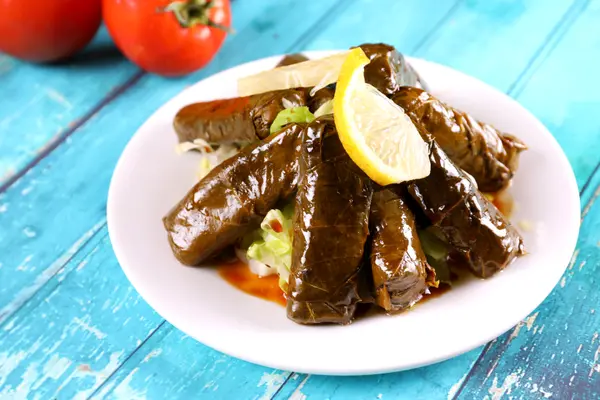
Syrian vine leaves filled with rice, minced meat and spices, cooked slowly in a lemony broth. Served with yogurt.

Dolma
Iraqi grape leaves rolled around rice, minced meat and fresh herbs, then simmered in a tangy tomato and lemon broth until tender.
Sfiha
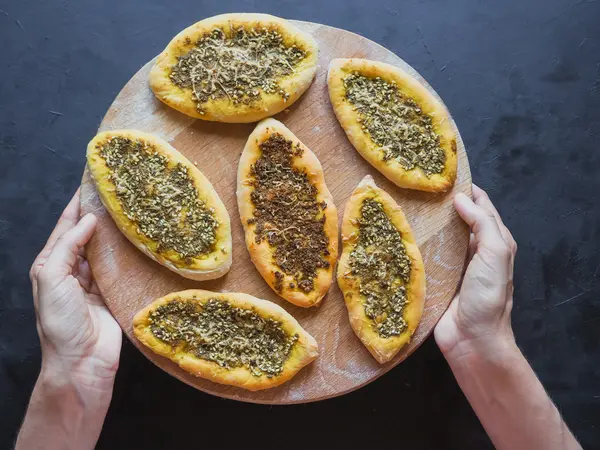
Syria's little open meat pies of spiced minced meat on soft yogurt dough. A favorite for mezze and parties.
Kousa
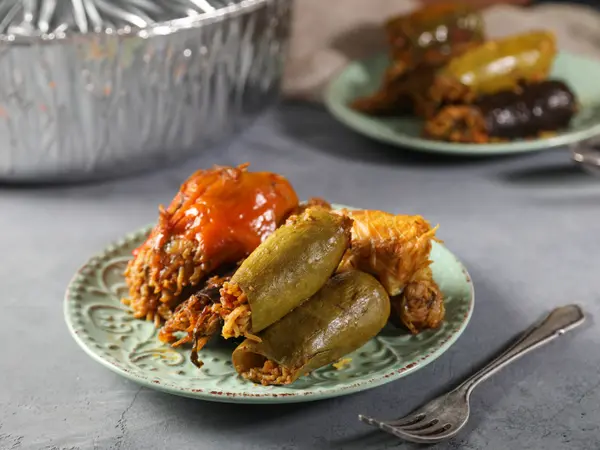
Syrian zucchini hollowed out and stuffed with a savory filling, then simmered in a garlicky tomato sauce until tender.
Warak Enab
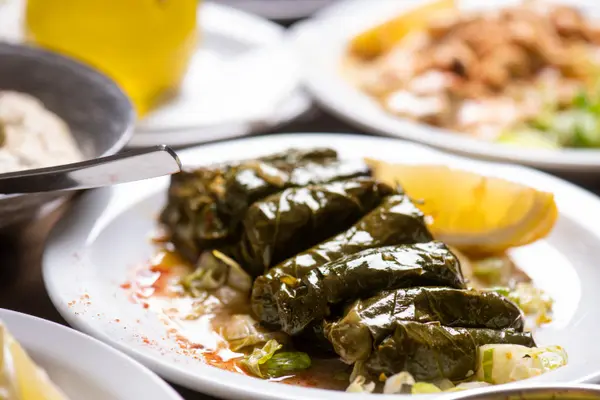
Lebanon's vine leaves rolled around rice, parsley, tomatoes and lemon, cooked slowly and served cold.
Mutabbal
Smoky charred eggplant mashed with tahini, garlic, lemon and yogurt. Part of every Damascus mezze table.
Shakriyeh
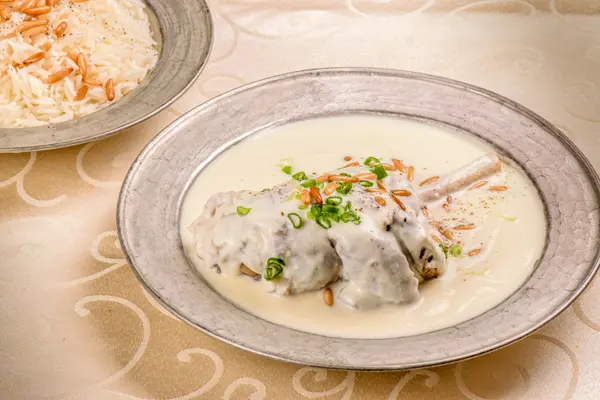
Syrian lamb cooked in warm, garlicky yogurt until tender, finished with dried mint and served over rice or vermicelli rice.
Warak Enab
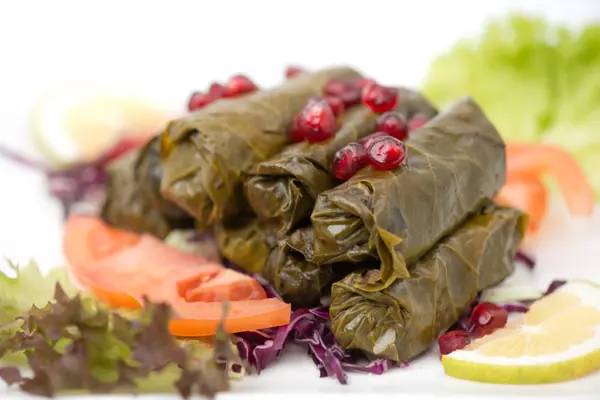
Egyptian grape leaves rolled around rice with tomato, herbs and spices and simmered until tender. Served with a squeeze of lemon.