
Portuguese recipe from Rio de Janeiro
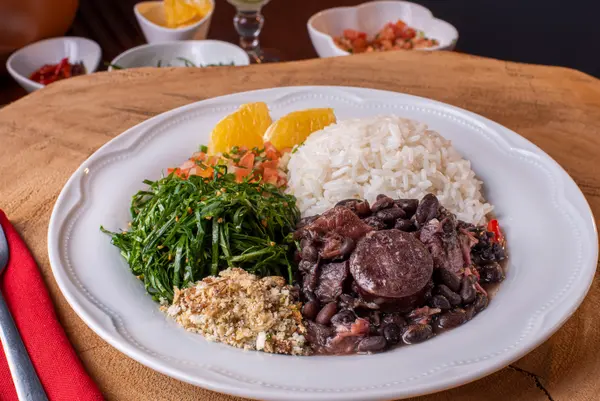
Feijoada
A hearty beans stew with various meats, a Portuguese comfort food classic.
- Prep
- 30 min
- Cook
- 3 hr
- Total
- 3 hr 30 min
- Servings
- 8
- Difficulty
- Intermediate
- Course
- Appetizer
Starts with a refogado. Onion and garlic in olive oil, sometimes with tomato, bay leaf and paprika. More about a refogado
About this dish
This hearty beans stew with a variety of meats is a beloved dish that will warm your soul. Packed with rich flavors and tender meats, this traditional Portuguese recipe is perfect for gatherings or cozy family meals. Follow this step-by-step guide to create a delicious Feijoada that will transport you to the vibrant streets of Portugal.
Instructions
Drain the soaked black beans and rinse them under cold water. Set aside.
In a large pot or Dutch oven, heat the olive oil over medium heat. Add the bacon and cook until crispy.
Add the chopped onion and minced garlic to the pot. Sauté until the onion becomes translucent.
Add the pork shoulder, smoked sausage, and pork ribs to the pot. Cook until the meats are browned on all sides.
Stir in the paprika, ground cumin, dried oregano, bay leaves, salt, and pepper. Mix well to coat the meats with the spices.
Add the soaked black beans to the pot, along with enough water to cover the ingredients. Bring to a boil, then reduce the heat to low and simmer for about 2 to 3 hours, or until the beans are tender and the flavors have melded together. Stir occasionally and add more water if necessary.
Once the Feijoada is cooked, remove the bay leaves and adjust the seasoning if needed.
Serve the Feijoada hot, accompanied by steamed white rice, orange slices, and sprinkled with fresh parsley for garnish.
Cooking tips
1. For a smokier flavor, you can use a combination of smoked sausage such as chorizo and linguiça.
2. Feijoada tastes even better the next day, as the flavors continue to develop. Consider making it in advance or enjoy the leftovers for lunch or dinner.
3. This recipe can easily be adapted for a slow cooker. Follow the same steps until step 5, then transfer the ingredients to a slow cooker and cook on low for 6 to 8 hours or on high for 3 to 4 hours.
Dietitian’s notes
Suitable for: pregnancy, anemia
- One portion
- 1 bowl
Reviewed by Dr. Sehrish Nasreen, DHND, November 2026.
Nutrition per serving
- 641kcal
- Calories
- 42g
- Protein
- 57g
- Carbs
- 28g
- Fat
- 14g
- Fiber
- 9g
- Saturated fat
Estimated values.
Frequently asked questions
Where does Feijoada come from?
Feijoada is a dish from Portugal. A hearty beans stew with various meats, a Portuguese comfort food classic.
How long does it take to make Feijoada?
About 3 hr 30 min in total: 30 min of prep and 3 hr of cooking. The recipe serves 8.
Is Feijoada gluten free or lactose free?
Yes. As written, this recipe is gluten free and lactose free. If you cook for allergies, check the labels on stocks, sauces and spice blends.
Can I make Feijoada ahead or store leftovers?
Feijoada tastes even better the next day, as the flavors continue to develop. Consider making it in advance or enjoy the leftovers for lunch or dinner.
Also made in
The same dish, cooked the way other cuisines make it.
You might also like
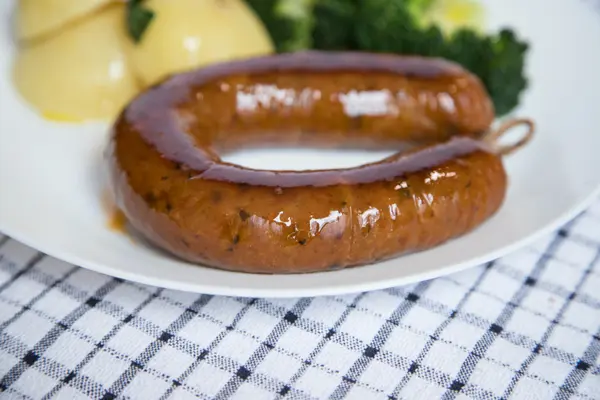
Alheira de Mirandela
Fried alheira sausages served over garlicky rice with parsley.
Cozido à Portuguesa
A hearty Portuguese stew featuring a medley of meats, greens, and vegetables.
Bacalhau à Gomes Sá
A straightforward yet delicious Portuguese cod dish with potatoes, onions, and eggs.
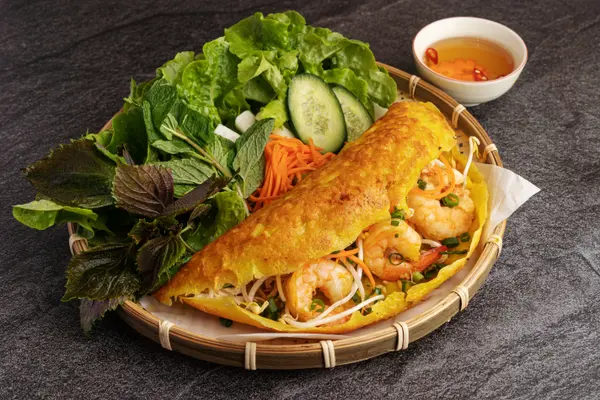
Banh Xeo
Vietnam's crisp, golden rice flour and coconut pancakes, filled with fillings and wrapped in lettuce and herbs for dipping.
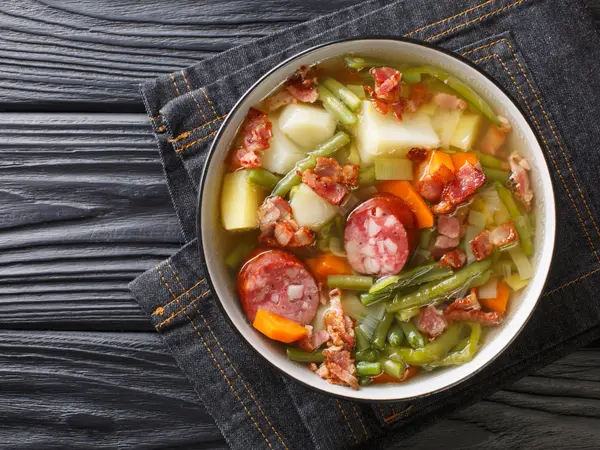
Bouneschlupp
Green bean soup with potatoes, bacon and onion
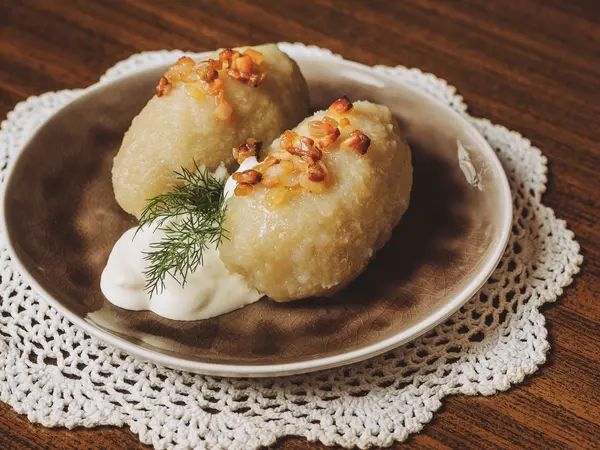
Cepelinai
Lithuania's national dish: big potato dumplings stuffed with seasoned pork, served with bacon, onions and sour cream.
Francesinha
Mouthwatering sandwiches hailing from Porto, Portugal, typically layered with meats and smothered in a rich sauce.
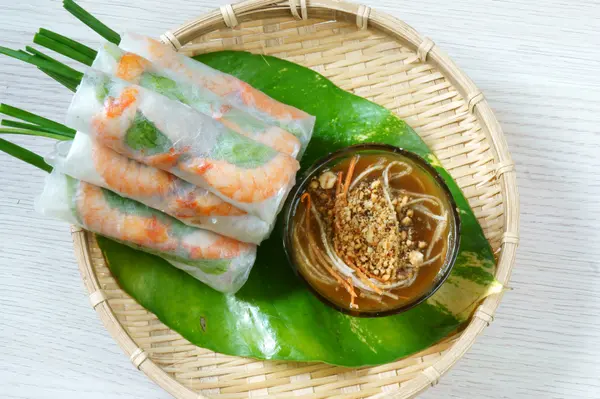
Goi Cuon
Vietnam's fresh rice paper rolls of shrimp, pork, lettuce, mint and pickled vegetables. Light, crunchy and made for dipping.