
Peruvian recipe from Arequipa
Chupe de Camarones
Arequipa's famous shrimp chowder: prawns, potatoes, corn, rice and peas in a broth flavored with ají panca, then finished with milk, queso fresco and a poached egg.
- Prep
- 35 min
- Cook
- 50 min
- Total
- 1 hr 25 min
- Servings
- 6
- Difficulty
- Intermediate
- Course
- Soup/Stew
About this dish
Chupe de camarones is the pride of Arequipa in southern Peru, where it is traditionally eaten on Fridays and during Lent. It is made with the river shrimp of the Majes and Ocoña valleys: their heads and shells are toasted and blended into a rich, coral-coloured broth flavored with garlic, onion, ají panca and oregano. Potatoes, chunks of corn on the cob, rice, peas and fava beans make it a meal, and at the end milk, cubes of fresh cheese and an egg poached right in the pot turn it into a chowder. Huacatay, the Peruvian black mint, gives the final flavor.
Instructions
Peel the shrimp, leaving 6 whole for decoration if you like. Devein the peeled shrimp and keep them chilled. Keep all the heads and shells.
Make the broth: heat 2 tablespoons oil in a large pot over medium-high heat and fry the heads and shells for 4 to 5 minutes, pressing them with a spoon, until bright red and fragrant. Add the water, bring to a boil and simmer for 20 minutes. Blend the broth with the shells in batches (careful, it is hot), then pour it through a fine sieve, pressing hard. You should have about 7 cups (1.7 L).
In a clean large pot, heat 2 tablespoons oil over medium heat. Cook the onion for 7 to 8 minutes until soft and golden. Add the garlic, ají panca, ají amarillo (if using), oregano and cumin and stir for 3 minutes, until the paste darkens and smells toasty.
Pour in the strained shrimp broth and add the potatoes, corn rounds and rice. Bring to a boil, then simmer for 15 minutes, until the rice and potatoes are nearly done.
Add the fava beans or peas and simmer 5 minutes more.
Lower the heat so the soup just simmers. Crack the eggs one by one into the pot, spacing them apart, and leave them to poach undisturbed for 3 to 4 minutes, until the whites are set.
Add the peeled shrimp and the whole shrimp and cook for 2 to 3 minutes, until pink. Gently stir in the evaporated milk and queso fresco and heat for 2 minutes without boiling. Season with the salt and pepper.
Stir in the huacatay or cilantro. Ladle into deep bowls so each one gets a poached egg, a piece of corn and some shrimp.
Cooking tips
The shells are where the flavor is, so do not skip making the broth. Ají panca and ají amarillo pastes and frozen huacatay are sold in Latin American shops and online; if you cannot find ají panca, use 1 tablespoon sweet paprika plus 1 teaspoon ancho chile powder. Some Arequipa cooks stir in a little of the shrimp coral (roe) for colour. For a lighter version, use whole milk in place of evaporated milk.
Storage
Best eaten freshly made, while the eggs are soft. Leftovers keep 1 day in the fridge; reheat gently without boiling.
Frequently asked questions
Where does Chupe de Camarones come from?
Chupe de Camarones is a dish from Peru. Arequipa's famous shrimp chowder: prawns, potatoes, corn, rice and peas in a broth flavored with ají panca, then finished with milk, queso fresco and a poached egg.
How long does it take to make Chupe de Camarones?
About 1 hr 25 min in total: 35 min of prep and 50 min of cooking. The recipe serves 6.
Is Chupe de Camarones pescatarian or gluten free?
Yes. As written, this recipe is pescatarian, gluten free and nut free. If you cook for allergies, check the labels on stocks, sauces and spice blends.
Can I make Chupe de Camarones ahead or store leftovers?
Best eaten freshly made, while the eggs are soft. Leftovers keep 1 day in the fridge; reheat gently without boiling.
You might also like
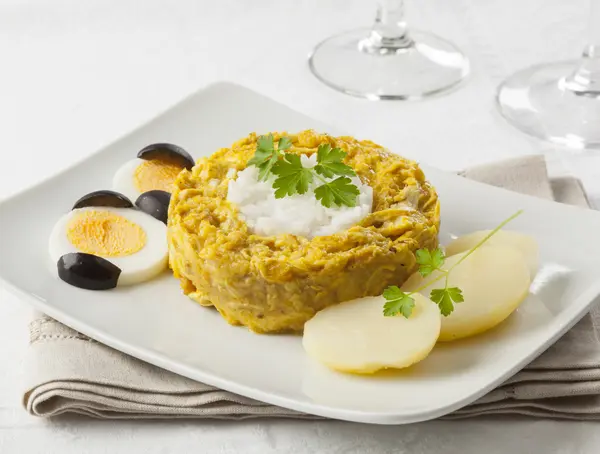
Ají de Gallina
Peru's creamy chicken stew of shredded chicken in a sauce of ají amarillo, walnuts and evaporated milk. Served over rice.
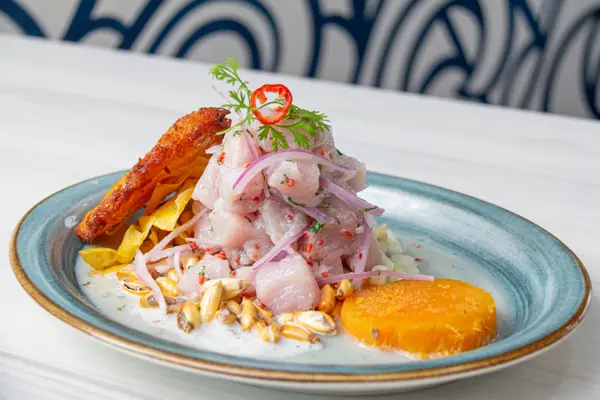
Ceviche
Peru's national dish: fresh fish cured in lime juice with red onion and chili. Served with sweet potato and corn.
Chiri Uchu
Cusco's cold festival platter for Corpus Christi: roast guinea pig, chicken, sausage, dried beef, cheese, fish roe, seaweed, corn cake and rocoto, all eaten together.
Fanesca
Ecuador's Holy Week soup of twelve grains and beans, squash and salt cod in milk, topped with eggs, plantains and empanadas.
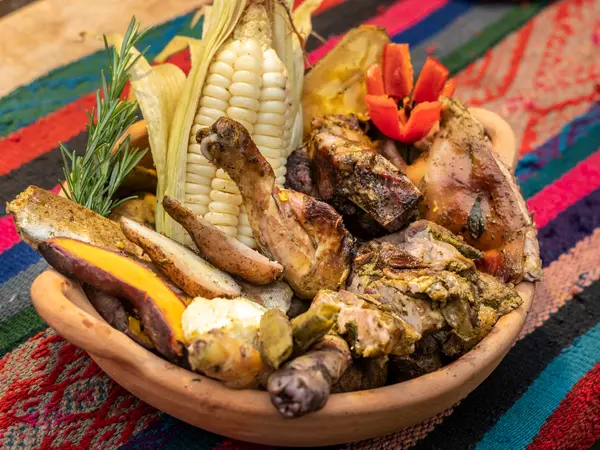
Pachamanca
Peru's Andean feast of marinated meat, potatoes and corn, traditionally cooked underground on hot stones with herbs.
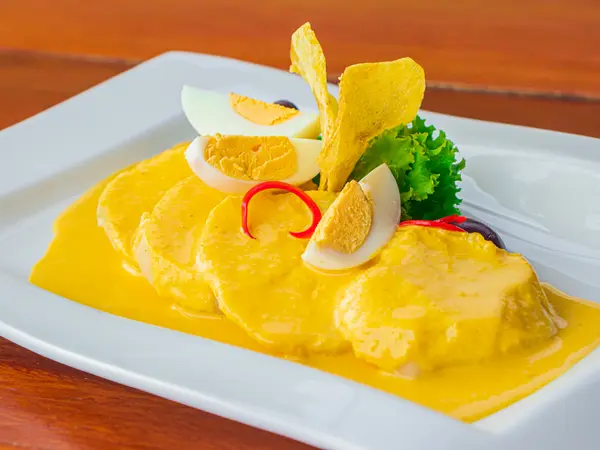
Papa a la Huancaína
Peru's potatoes covered in a creamy, spicy cheese sauce. Served cold with eggs and olives.
Penang Assam Laksa
Tangy tamarind and mackerel noodle soup with lemongrass and chilies.
Soto
Indonesia's fragrant golden chicken soup, simmered with lemongrass, galangal and lime leaves. Served with noodles, egg and lime.