
Papua New Guinean recipe
Saksak
Sago and ripe banana dumplings wrapped in banana leaves and simmered in coconut milk, from the sago lands of Papua New Guinea.
- Prep
- 25 min
- Cook
- 35 min
- Total
- 1 hr
- Servings
- 12 dumplings
- Difficulty
- Intermediate
- Course
- Side Dish
About this dish
Saksak is the Tok Pisin word for sago, the starch washed out of the trunk of the sago palm. Along the Sepik River, in the Gulf and Western provinces and on many islands it is the staple food, eaten every day the way rice or bread is elsewhere. One of the best-loved ways to eat it is as these dumplings: sago kneaded with mashed ripe banana, rolled into logs, wrapped in banana leaves and cooked in coconut milk until they turn chewy and translucent. They are lightly sweet from the banana and are eaten with fish or greens, or on their own as a snack.
Instructions
Break up any hard lumps in the sago with your fingers or a rolling pin.
Mash the bananas in a bowl until smooth. Add the sago and salt and knead with your hand to a soft, slightly sticky dough that holds its shape. Add water a spoonful at a time if it is crumbly.
Soften the banana leaves over a flame or in hot water. Shape a handful of dough into a log about 4 inches (10 cm) long, lay it on a leaf, roll it up and fold the ends under.
Lay the parcels seam side down in a wide pot. Pour over the coconut milk and water.
Bring to a gentle simmer, cover and cook for 30 to 35 minutes, turning the parcels once, until the dumplings are firm, chewy and turn see-through when cut.
Unwrap and serve warm with some of the coconut milk spooned over, sprinkled with grated coconut if you like.
Cooking tips
Sago starch is sold in Asian and Pacific shops, sometimes labelled sago flour. Tapioca starch from cassava is the closest swap. For a version without banana, mix sago with grated coconut and a little water instead.
Storage
Best eaten the day they are made. They firm up as they cool; steam to soften again.
Frequently asked questions
Where does Saksak come from?
Saksak is a dish from Papua New Guinea. Sago and ripe banana dumplings wrapped in banana leaves and simmered in coconut milk, from the sago lands of Papua New Guinea.
How long does it take to make Saksak?
About 1 hr in total: 25 min of prep and 35 min of cooking. The recipe serves 12 dumplings.
Is Saksak vegan or vegetarian?
Yes. As written, this recipe is vegan, vegetarian, gluten free, lactose free and nut free. If you cook for allergies, check the labels on stocks, sauces and spice blends.
Can I make Saksak ahead or store leftovers?
Best eaten the day they are made. They firm up as they cool; steam to soften again.
You might also like
Aibika with Coconut Milk
Papua New Guinea's favorite greens, aibika, cooked down with onion and garlic in creamy coconut milk.
Kaukau in Coconut Cream
Papua New Guinea's staple sweet potato (kaukau), simmered in fresh coconut cream with greens and a little salt.
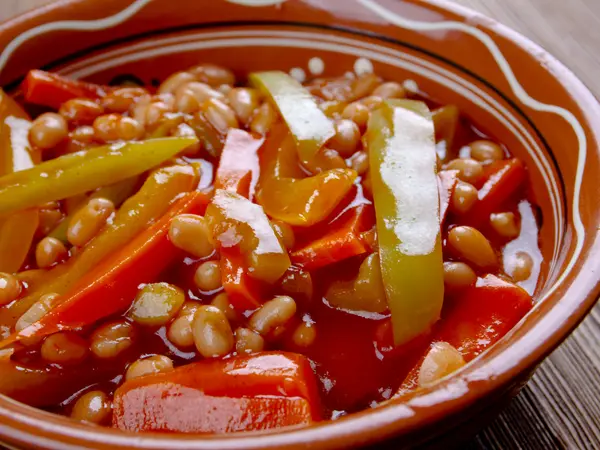
Chakalaka
South Africa's spicy vegetable relish of peppers, onions, tomatoes and beans with curry powder. Serve it with pap, braai meat and sausages.
Chicken Pot
Everyday Papua New Guinean chicken stew simmered in coconut milk with sweet potato, pumpkin and greens.

Colcannon
Ireland's buttery mashed potatoes folded with kale and scallions. A Halloween classic and a comforting side for ham or sausages.

Empanadas
Argentina's baked turnovers filled with spiced ground beef, onion and peppers. Every region has its own version.
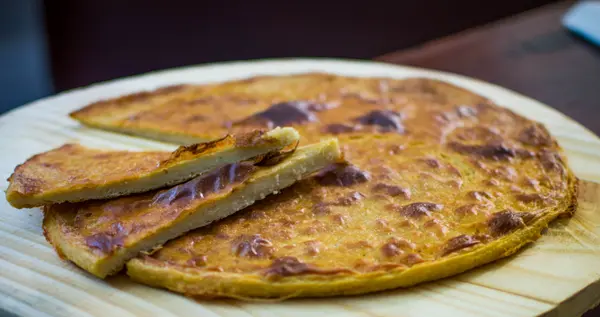
Faina
A thin, crisp-edged flatbread of chickpea flour, water and olive oil, baked hot and eaten on top of pizza in Buenos Aires.
Fish Cooked in Banana Leaves
Coastal Papua New Guinean whole fish wrapped in banana leaves with coconut cream, ginger and greens, and cooked over hot coals.