
Norwegian recipe from Oslo
Farikal
Mutton with bone, cabbage, whole black pepper and wheat flour sour cooked in a casserole served with potatoes boiled in their skins
- Prep
- 10 min
- Cook
- 2 hr
- Total
- 2 hr 30 min
- Servings
- 6
- Difficulty
- Intermediate
- Course
- Dinner
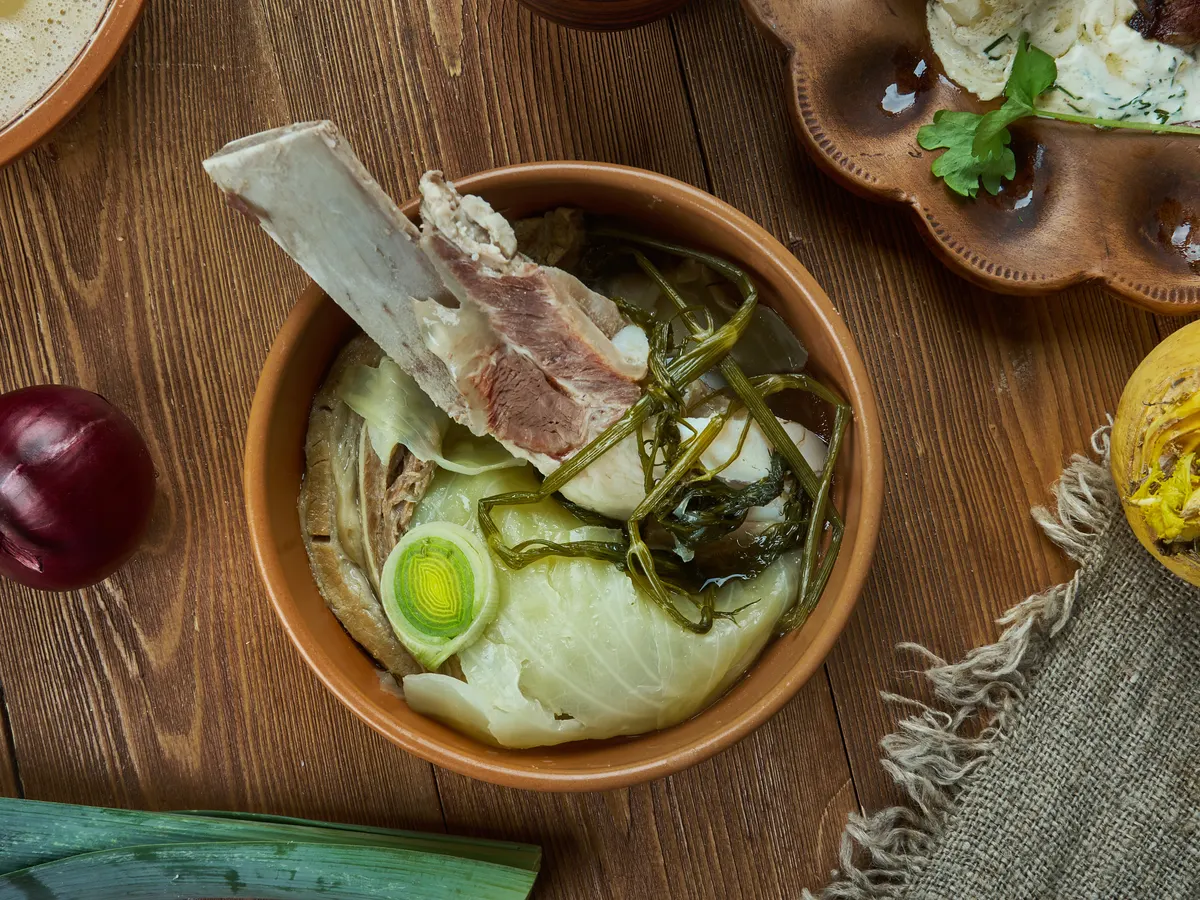
About this dish
For the last 95 years, Norwegians have considered their lamb and cabbage stew, 'farikal' a national favorite. The stew, which is usually prepared in the harsher autumn months after the lambs come home from pasture, is a hearty one that will warm you from the inside out. You may prepare it with any side dish you like, but nothing can compare to the classic boiled, or even baked potato. It is quite simple to make and takes very little time to prepare, yet it is completely satisfying. You can spend the lengthy cooking time preparing your favourite side dish so that you can dig right in when it's done.
Instructions
Mix meat and flour together in a large bowl (gluten-free can skip step). The flour aids in thickening the stew.
In a casserole or stewing pot, place a layer of floured lamb at the bottom and top that layer with a layer of cabbage. Add some peppercorns and salt, then repeat the process making sure that your portions are balanced for each layer, until all the ingredients are in.
Add the water, cover the pot and bring to a boil. Reduce heat to low and let it cook slowly until the meat is tender and pulls easily from the bone (about 2 hours).
Serve warm with your choice of side (Norwegians enjoy with boiled potatoes and butter).
Cooking tips
The perfect parts of the lamb to add to your farikal are the neck, shank, or shoulder. If you can't find lamb near you, chopping up some mutton will work but the meat flavour will be much stronger. If you or your kids don't like chewing whole peppercorns, you can use a little spice bag and remove it when the stew is done. If you're gluten-free, leave out the flour entirely, or find a suitable alternative. Cabbage contains a lot of water so don't worry about adding more than the recipe calls for.
Dietitian’s notes
Suitable for: pregnancy, anti-inflammatory, anemia
- One portion
- 1 bowl
Reviewed by Dr. Sehrish Nasreen, DHND, November 2026.
Nutrition per serving
- 598kcal
- Calories
- 58g
- Protein
- 30g
- Carbs
- 29g
- Fat
- 9g
- Fiber
- 12g
- Saturated fat
Estimated values.
Frequently asked questions
Where does Farikal come from?
Farikal is a dish from Norway. Mutton with bone, cabbage, whole black pepper and wheat flour sour cooked in a casserole served with potatoes boiled in their skins.
How long does it take to make Farikal?
About 2 hr 30 min in total. The recipe serves 6.
What equipment do I need for Farikal?
Casserole/stewing pot and bowl.
You might also like
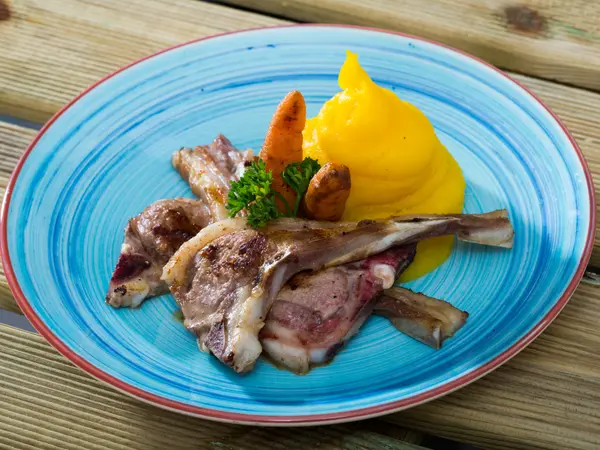
Pinnekjott
Norway's Christmas lamb ribs, salted and dried, then steamed over birch sticks until tender. Served with mashed rutabaga and potatoes.
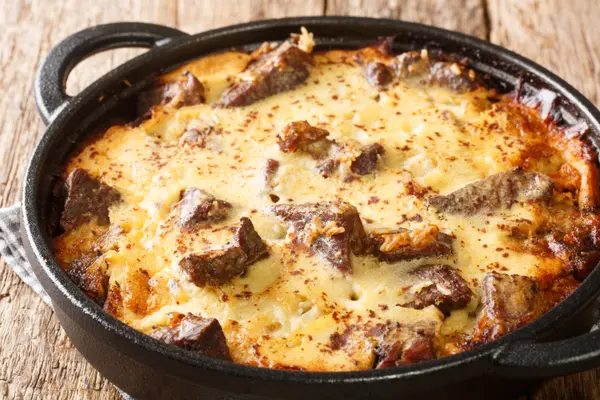
Tave Kosi
Albania's baked lamb and rice under a thick, tangy yogurt and egg custard that puffs up golden in the oven.
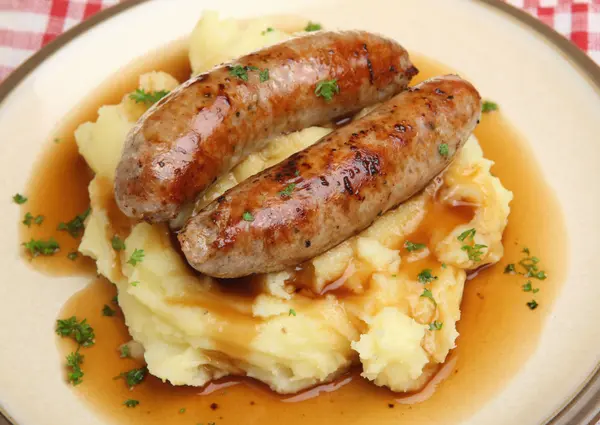
Bangers and Mash
Juicy sausages with creamy mashed potato and a rich onion gravy. Simple, hearty pub comfort food.
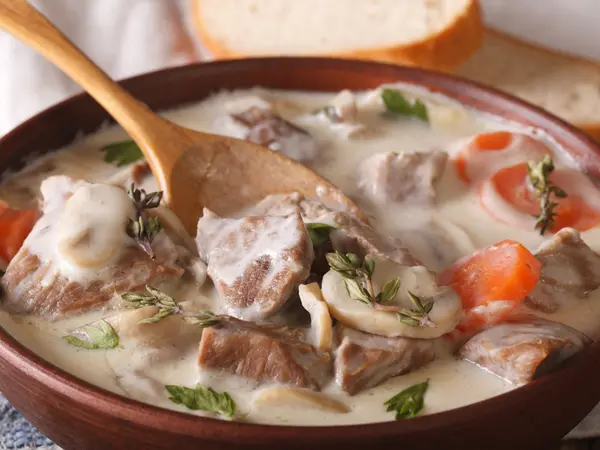
Blanquette de Veau
France's classic veal stew, simmered with carrots, onions and mushrooms in a gentle white wine sauce. Comfort food with rice or potatoes.
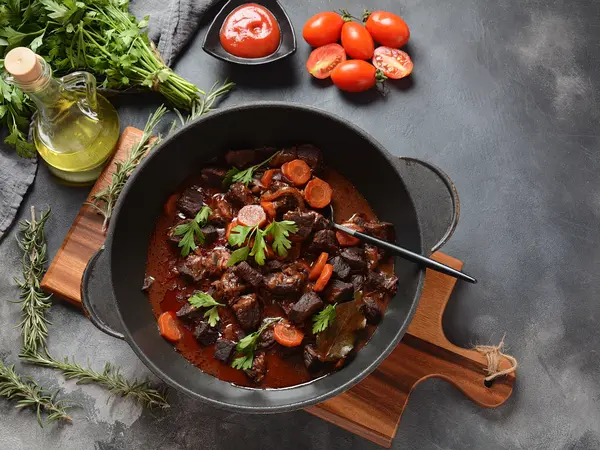
Bœuf Bourguignon
France's classic Burgundy beef stew: chunks of beef braised slowly in red wine with bacon, carrots, onions and mushrooms until fork-tender.
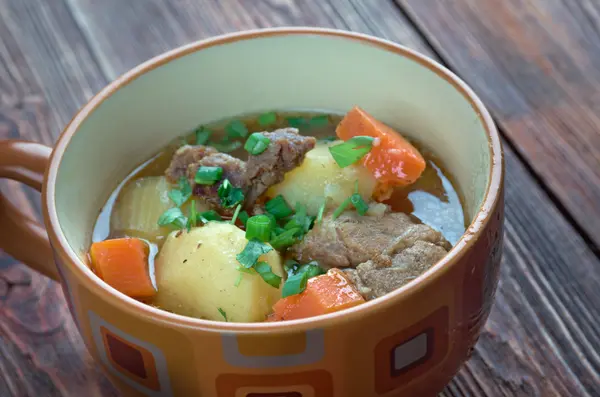
Cawl
Wales' national dish: lamb, leeks, potatoes, carrots and swede simmered slowly into a clear, hearty broth.
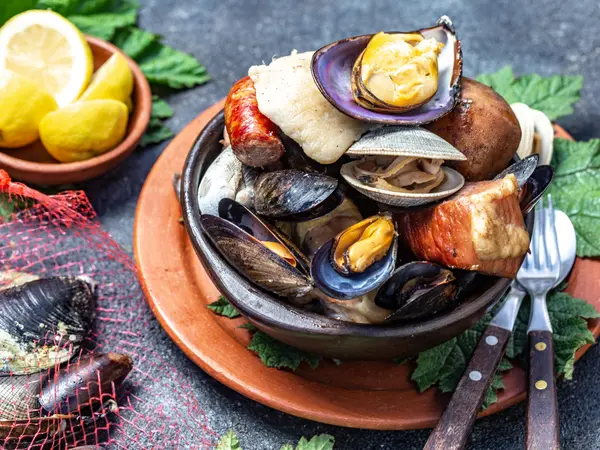
Curanto
A feast from Chiloé in southern Chile: clams, mussels, chicken, smoked pork, sausages and potatoes steamed together in one big pot.
Dill-Baked Salmon
Norwegian oven-baked salmon with fresh dill, lemon and black pepper.