
Kyrgyz recipe
Kurt
Central Asia's salty, sun-dried yogurt balls. A tangy, chewy snack that keeps for months and is perfect with tea or beer.
- Prep
- 20 min
- Drain & dry
- 3 days
- Total
- 3 days
- Servings
- 8
- Difficulty
- Advanced
- Course
- Snacks
About this dish
Kurt is a small, dried, and tangy dairy product made from yogurt, typically full-fat. It's prepared by straining yogurt to remove the whey, resulting in a thicker consistency. Once strained, the yogurt is salted, shaped into small balls or cylinders, and then air-dried until it achieves a hard, chalky texture. The drying process gives kurt its distinctive flavor and an extended shelf life, making it an ideal snack for long journeys or harsh climates.
Instructions
Line a strainer with a piece of cheesecloth or muslin cloth. Place the strainer over a bowl.
Pour the yogurt into the lined strainer. Allow the whey (liquid part) to drip away. This will take around 8-12 hours, or even longer, depending on how thick you want the kurt to be.
Once the yogurt has thickened to your desired consistency, transfer it to a bowl. Add a pinch of salt and mix thoroughly.
Take small portions of the thickened yogurt and shape them into small, bite-sized balls or cylindrical shapes. You can also create various shapes according to your preference.
Place the shaped kurt on a clean and dry surface, ensuring they're not touching each other.
Allow the shaped kurt to air dry in a well-ventilated area at room temperature for approximately 3-5 days. The drying time might vary depending on the humidity in the environment and the desired texture.
Once the kurt has dried completely, it should have a hard and chalky texture. Store the dried kurt in an airtight container at room temperature. It can be stored for several months.
Cooking tips
Use good quality, full-fat plain yogurt. The higher the fat content, the creamier and more flavorful the kurt will be. Straining the yogurt for an extended period results in thicker kurt. The longer you strain, the firmer the end product will be. Ensure the drying area is well-ventilated and free from moisture to prevent mold growth. Turn the kurt occasionally to dry uniformly.
Nutrition per serving
- 51kcal
- Calories
- 4g
- Protein
- 6g
- Carbs
- 1g
- Fat
- 0g
- Fiber
- 6g
- Sugar
Estimated values.
Frequently asked questions
Where does Kurt come from?
Kurt is a dish from Kyrgyzstan. Central Asia's salty, sun-dried yogurt balls. A tangy, chewy snack that keeps for months and is perfect with tea or beer.
How long does it take to make Kurt?
About 3 days in total: 20 min of prep and 3 days of hands-off waiting time. The recipe serves 8.
Is Kurt vegetarian or gluten free?
Yes. As written, this recipe is vegetarian and gluten free. If you cook for allergies, check the labels on stocks, sauces and spice blends.
What equipment do I need for Kurt?
Cheesecloth or muslin, strainer, bowl and weight (for pressing).
You might also like
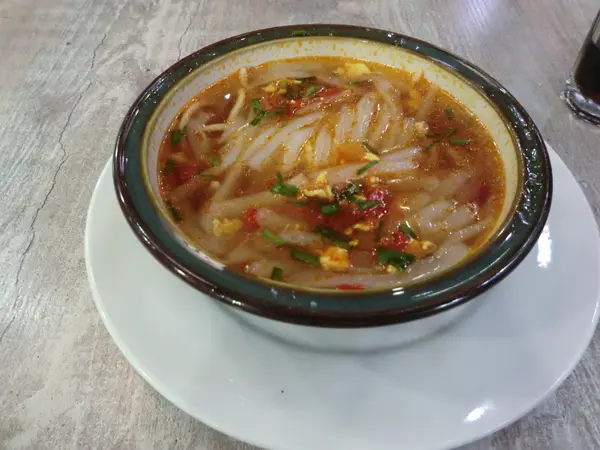
Ashlan-Fu
Karakol's cold noodle soup: thick noodles and slippery starch jelly in a sour, spicy vinegar broth with egg and vegetables.
Baursak
Central Asia's puffy fried dough, made with a soft yeast dough and fried until golden. Served at celebrations with tea and jam.
Kaze
Central Asia's horse meat sausage, seasoned with cumin, pepper and garlic and stuffed in casings. Sliced and served at celebrations.
Chotpoti
Dhaka street-cart favourite: dried yellow peas and potatoes in tangy tamarind, topped with egg, onion, chili and crushed fuchka.
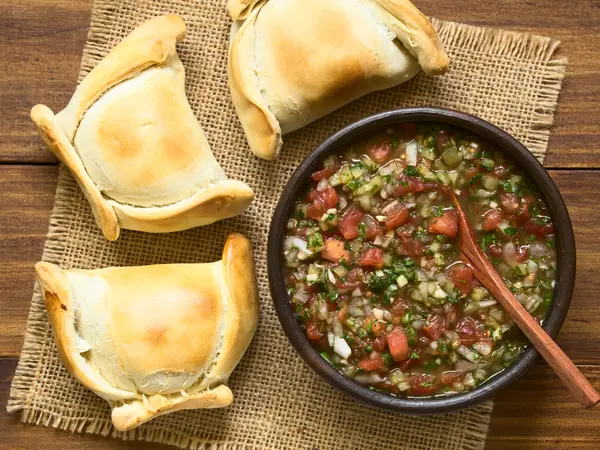
Empanadas
Chilean baked turnovers with a seasoned beef and onion filling, brushed with egg and sprinkled with sesame. A Chilean Independence Day classic.

Pani Puri
India's favorite street snack: crisp hollow puris filled with spiced potato and chickpeas, then dunked in tangy spiced water.
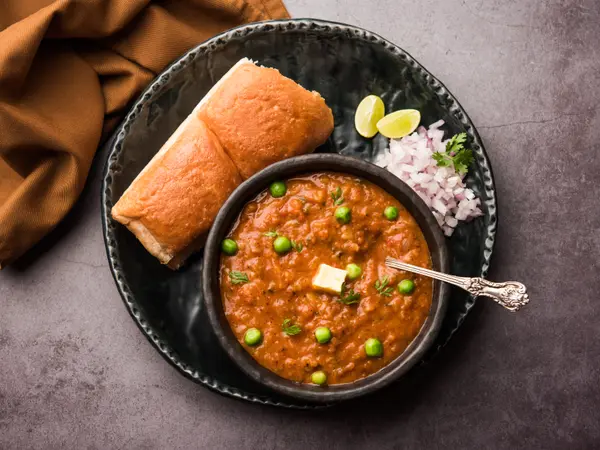
Pav Bhaji
Mumbai's spicy mashed vegetable curry of potatoes, peas, peppers and tomatoes, served with soft buttered buns and chopped onion.
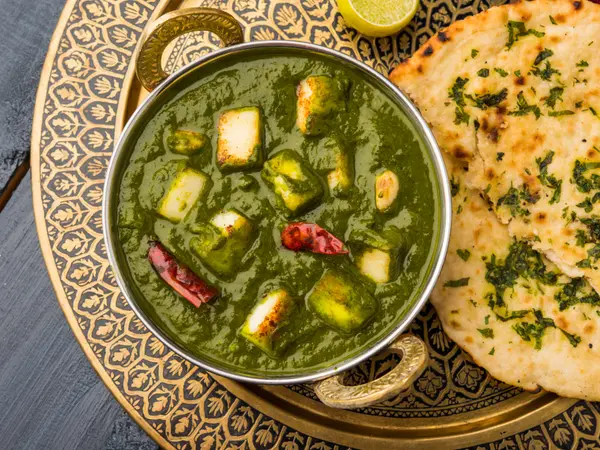
Saag Paneer
Creamy spiced spinach cooked down with onion, garlic and ginger, with soft cubes of paneer. Serve with roti or rice.