
Journeys & Food · November 13, 2026
Nigeria has two main seasons: a rainy season, roughly April to October in the south (shorter in the north), and a dry season from about November to March. Early in the dry season comes the harmattan, a dry, dusty wind from the Sahara that makes mornings cool and hazy.
What people cook and buy on the street changes with them. Here is a year of seasonal food in Nigeria.
Rainy season: corn, ube and soups
When the rains come, fresh corn arrives. Roasted or boiled corn on the cob is sold on every roadside, often with ube (African pear), a purple fruit that is softened in hot water or on the grill and eaten with the corn. Rainy evenings are also for hot, heavy soups like ogbono and egusi with a swallow.
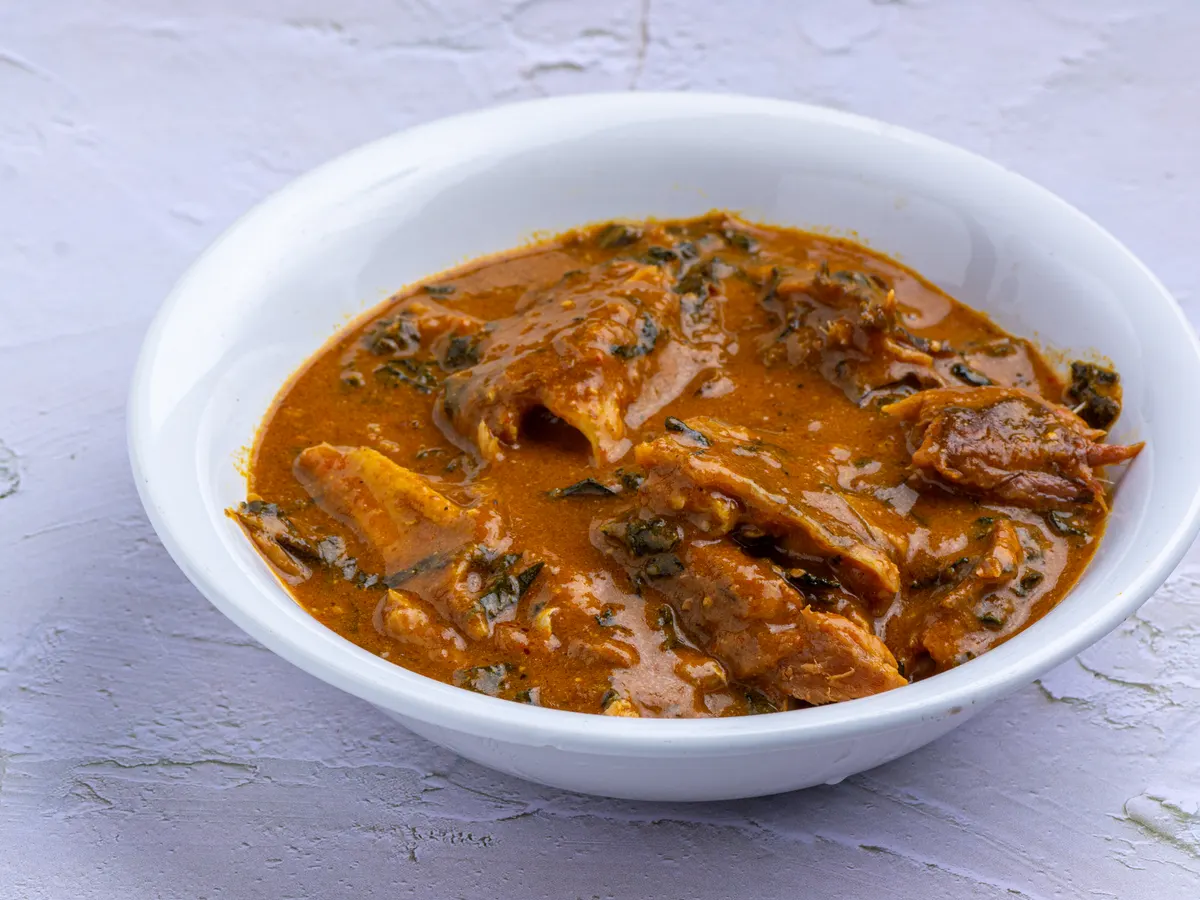
Ogbono Soup
Ground mango seeds, palm oil, meats and slices cooked together
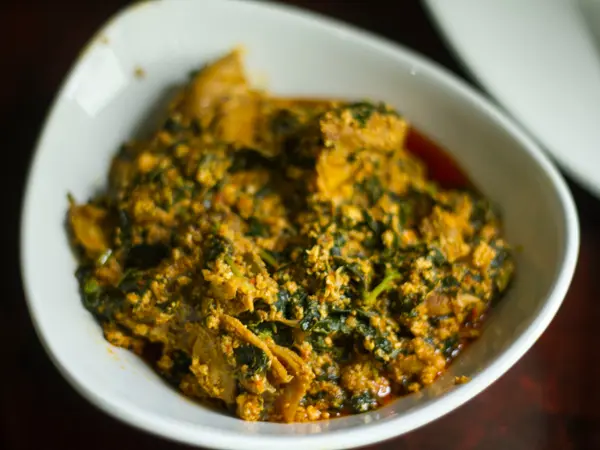
Egusi Soup
Ground melon seed soup with palm oil, assorted meats, crayfish and leafy greens.
Fufu
West Africa's smooth, stretchy dough of boiled and pounded cassava, yam or plantain. Pinch off a piece and use it to scoop up soup.
Harvest: the New Yam Festival
Yam is harvested toward the end of the rainy season, around August to October. Among the Igbo, the New Yam Festival (Iri Ji or Iwa Ji) marks the harvest: the first yams are offered in thanks, and no one eats new yam until the festival. Then come roasted yam with palm oil sauce, boiled yam, and yam porridge.
Other communities hold yam festivals too, at slightly different times, so harvest season is full of them.
Harmattan: pepper soup and warm drinks
Harmattan mornings can be cold, especially in the north and the middle of the country. That is pepper soup weather: a steaming bowl of goat meat or catfish pepper soup, hot with chili. In the north, warm kunu and millet porridges help start the day.
December: Christmas and the trip home
The dry season is also party season. December brings Christmas, weddings and family reunions, with big pots of jollof rice, Christmas chicken, chin chin and puff puff.
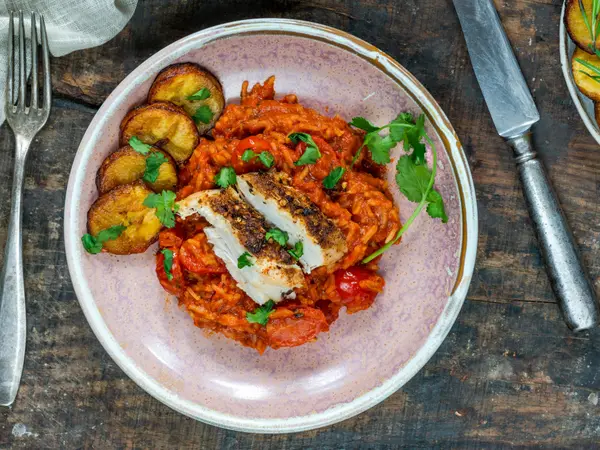
Jollof Rice with Deep Fried Chicken & Plantain
Nigeria's party plate: smoky tomato jollof rice with crisp fried chicken and sweet fried plantain.
Chin Chin
Crunchy, lightly sweet Nigerian fried dough bites flavored with nutmeg. Made by the jarful for Christmas.
Puff Puff
Soft, golden balls of sweet yeast dough, fried until puffed and eaten warm. Nigeria's favorite party snack and street food.
All year: suya, akara and plantain
Some foods never go out of season: suya grilled in the evening, akara fried in the morning, and fried plantain with almost any meal.
Suya
Northern Nigerian spicy grilled beef skewers coated in yaji, a ground peanut and chili spice mix.
Akara
Crisp Nigerian black-eyed pea fritters with onion and pepper, eaten with pap or bread.
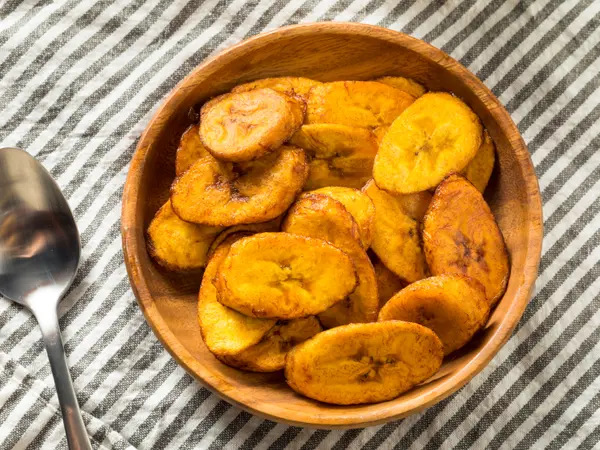
Fried Plantain
Ripe plantain slices fried until caramelized and golden at the edges. Nigeria's dodo is sweet, a little salty and goes with almost everything.
Frequently asked questions
What is the New Yam Festival?
A harvest festival, called Iri Ji or Iwa Ji by the Igbo, held around August to October to give thanks for the yam harvest. New yams are not eaten until it is held.
What do Nigerians eat in the rainy season?
Roasted or boiled fresh corn with ube (African pear), and hot soups like egusi and ogbono with swallows.
What is harmattan?
A dry, dusty wind from the Sahara that blows across Nigeria from about November to February, bringing cool, hazy mornings.
Keep exploring
More from Food around the world
- Traditional Nigerian food: a list of dishes to knowA list of traditional Nigerian food: jollof rice, egusi and ogbono soup with fufu, suya, akara, moi moi, pepper soup, puff puff, chin chin, zobo and more.
- Nigerian party and wedding food: small chops to jollofTraditional Nigerian wedding and party food: small chops like puff puff, chin chin and spring rolls, party jollof, fried rice, moi moi, and the drinks served at an owambe.
 Finger foods from around the worldFinger foods from around the world: dumplings and rolls, filled pastries, fritters and small bites from every continent, perfect for parties and potlucks.