
Journeys & Food · November 13, 2026
Nigerian food can look hard to learn from the outside: long ingredient lists, unfamiliar names, soups that are thick enough to eat with your hands. But most dishes are built from the same few ingredients and the same couple of techniques. Learn those, and the rest comes quickly.
Here is how to learn to cook Nigerian food at home, step by step, and where to find a Nigerian cook to teach you live.
Stock your kitchen
Fresh: plum tomatoes, red bell peppers (tatashe), scotch bonnet peppers (ata rodo), onions, ginger and garlic. Pantry: long-grain parboiled rice, black-eyed peas or brown beans, palm oil, a neutral oil, curry powder, dried thyme, bay leaves and ground crayfish.
For soups you will want egusi (ground melon seeds), ogbono, dried fish or stockfish, and leafy greens like spinach or bitter leaf. An African grocery store will have all of these, plus garri, yam flour and pepper soup spice. Many Nigerian cooks use stock cubes; a pot of homemade stock gives the same depth with less salt.
Learn the pepper base first
Tomatoes, red bell peppers, scotch bonnets and onion are blended together, then boiled down and fried in oil until the raw taste is gone and the oil rises to the top. This blend, sometimes called obe ata in Yoruba, is the start of Nigerian tomato stew, jollof rice and many sauces. Make a big batch and freeze it in portions, as many Nigerian households do.
Five dishes to learn, in order
1. Fried plantain (dodo): ripe plantain, sliced and fried. It teaches you to judge ripeness and oil heat. 2. Jollof rice: uses your pepper base, and teaches you to steam rice in a sauce without it burning or going soggy. 3. Akara or moi moi: both start from peeled, blended black-eyed peas. 4. Egusi soup with eba or fufu: your first soup and swallow. 5. Puff puff or chin chin: easy party snacks that need nothing special.
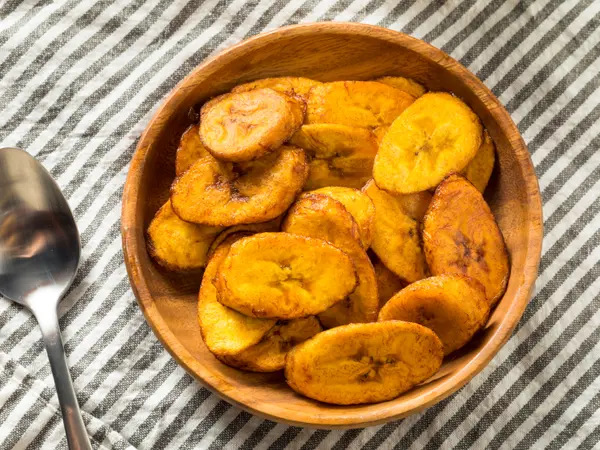
Fried Plantain
Ripe plantain slices fried until caramelized and golden at the edges. Nigeria's dodo is sweet, a little salty and goes with almost everything.
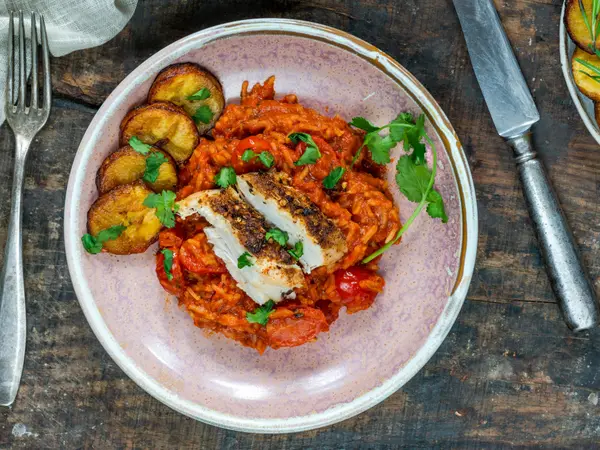
Jollof Rice with Deep Fried Chicken & Plantain
Nigeria's party plate: smoky tomato jollof rice with crisp fried chicken and sweet fried plantain.
Akara
Crisp Nigerian black-eyed pea fritters with onion and pepper, eaten with pap or bread.
Moi Moi
Steamed Nigerian bean pudding of blended black-eyed peas, peppers and onion, with egg or fish inside.
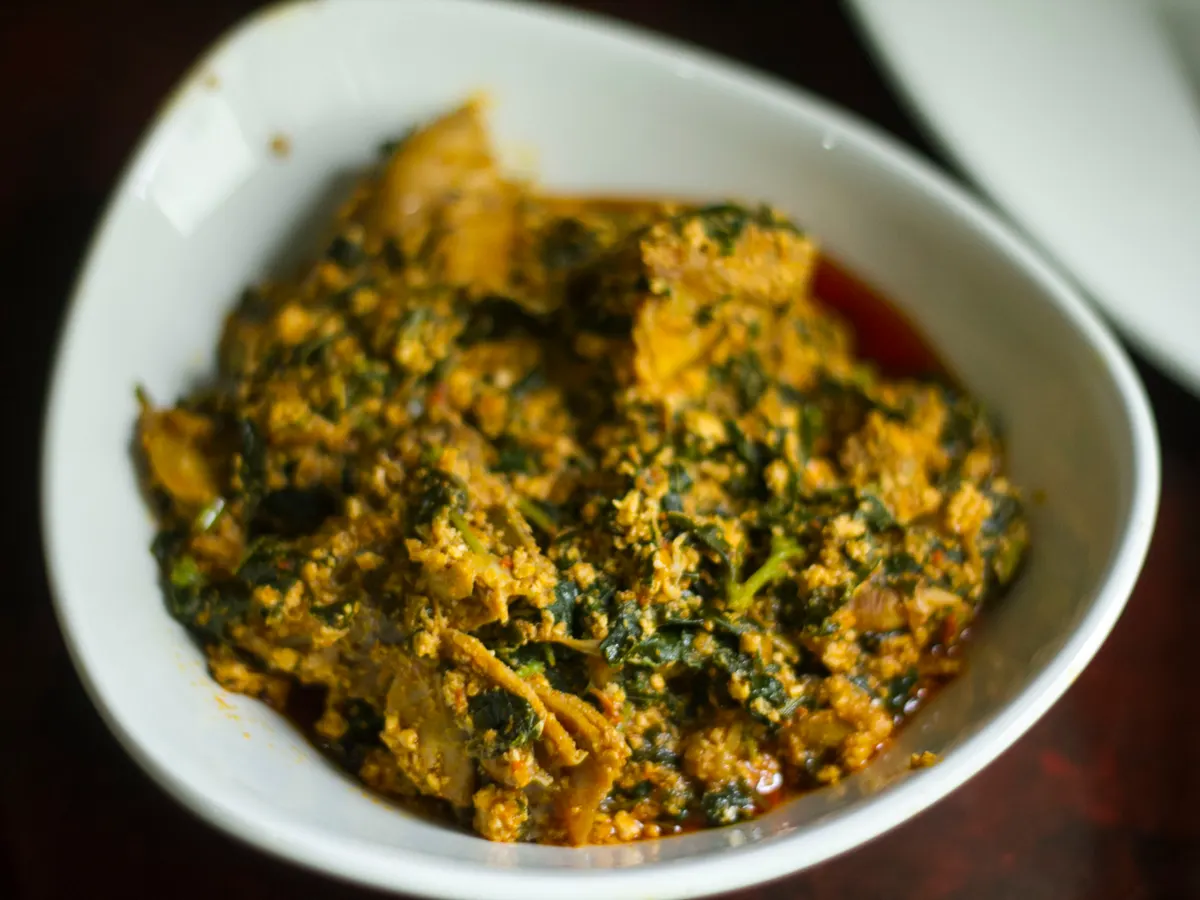
Egusi Soup
Ground melon seed soup with palm oil, assorted meats, crayfish and leafy greens.
Puff Puff
Soft, golden balls of sweet yeast dough, fried until puffed and eaten warm. Nigeria's favorite party snack and street food.
Learn from a Nigerian cook
Recipes only go so far. How thick should the egusi be? When is the pepper base fried enough? How hard do you pound the yam? The quickest way to learn is to cook next to someone who grew up with the food. On Journeys & Food you can book a live online class with a Nigerian chef, cook in your own kitchen, and ask every question as you go.
Frequently asked questions
Is Nigerian food hard to cook?
Not once you know the basics. Many dishes start from the same blended pepper base of tomatoes, red peppers, scotch bonnets and onion. Fried plantain, jollof rice and puff puff are good first dishes.
What should I cook first as a beginner?
Start with fried plantain (dodo), then jollof rice, then akara or moi moi. Once you are comfortable, try egusi soup with eba or fufu.
Where can I learn to cook Nigerian food online?
On Journeys & Food you can book a live online class with a Nigerian chef and cook along in your own kitchen. You can also start with our Nigerian recipes.
Keep exploring
More from Cooking classes
 Free online cooking classes: how to learn to cook for freeFree online cooking classes and other free ways to learn to cook: step-by-step recipes, skills to learn first, free community classes, and when a paid live class helps.
 How to choose the best online cooking classHow to find the best online cooking classes for you: live or recorded, group or private, what to ask before you book, and dishes that are good to learn online.