
Journeys & Food · October 25, 2026
Eid al-Fitr is sometimes called the Sweet Eid, and for good reason. After a month of Ramadan fasting, homes fill with trays of cookies, syrupy pastries and milk puddings for visiting family and friends.
Here are Eid desserts and cookies from across the Muslim world, all with recipes on our site.
Eid cookies: ma’amoul
Ma’amoul are the Eid cookies of Lebanon, Syria, Palestine and Jordan: buttery semolina shortbread filled with dates, walnuts or pistachios and pressed into carved wooden molds. Families often make them together in the last days of Ramadan.
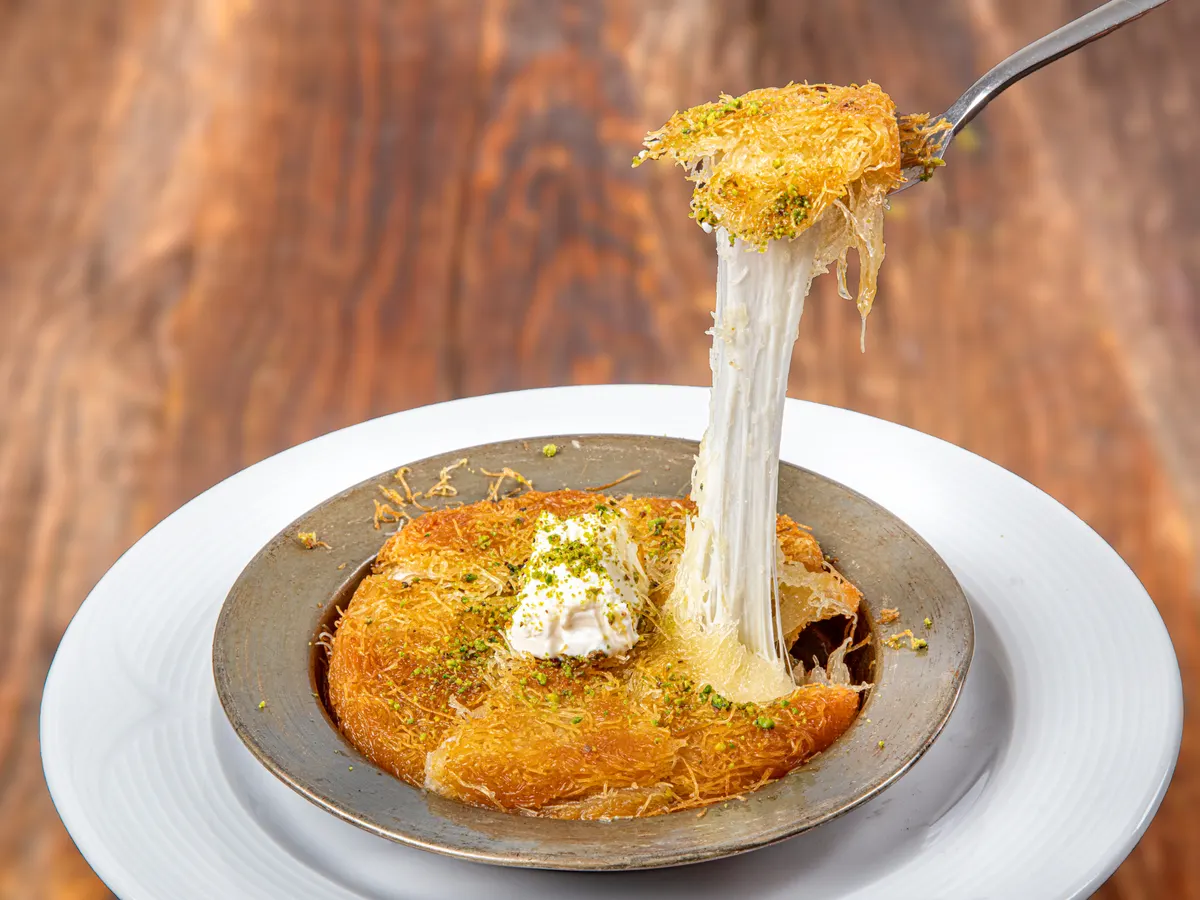
Knafeh, kunefe and qatayef
Knafeh is crisp shredded pastry over melting cheese, soaked in orange blossom syrup. Turkey’s kunefe is a close relative. Qatayef, small pancakes folded around walnuts or sweet cheese, are a Ramadan treat that often carries on into Eid.
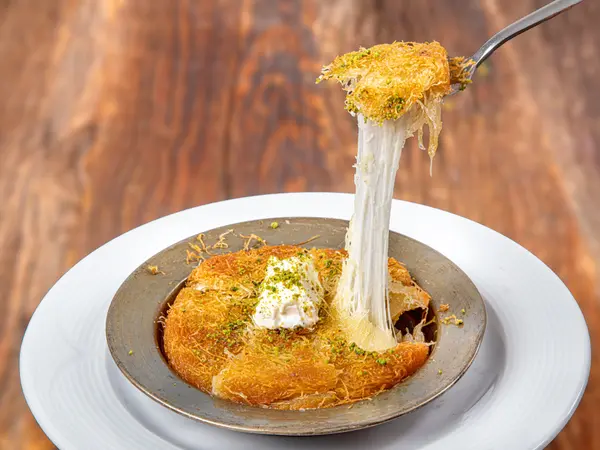
Knafeh
Levantine dessert of crisp buttery shredded kataifi pastry over a layer of melting cheese, soaked in orange blossom syrup and pistachios.
Kunefe
Turkey's warm dessert of crisp shredded phyllo around a layer of melted cheese, soaked in syrup. Serve hot with pistachios.
Qatayef
Ramadan pancakes folded around sweet cheese or walnuts, fried or baked and soaked in syrup.
Basbousa and baklava
Egyptian basbousa is a semolina and coconut cake soaked in syrup and topped with almonds. Baklava, layers of filo with nuts and honey or syrup, is made from Turkey and the Balkans to Iraq.
Basbousa
Egyptian semolina cake soaked in rose or orange blossom syrup and topped with almonds.
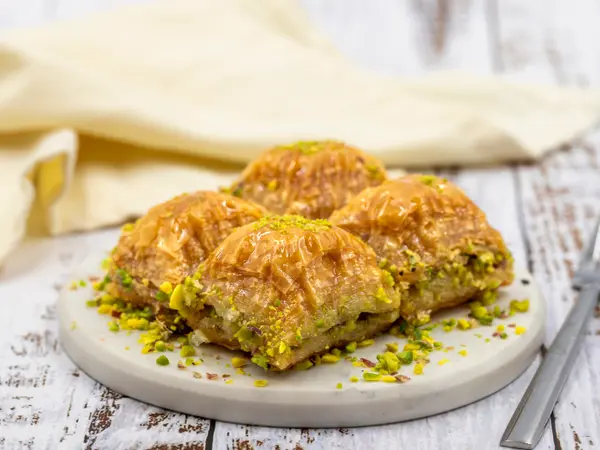
Baklava
Turkey's famous pastry of crisp phyllo layers filled with nuts and soaked in sweet syrup. Cut into diamonds and serve with tea.
Baklava
Crisp layers of buttery phyllo filled with walnuts, pistachios and cinnamon, soaked in honey syrup scented with orange blossom.
Halwa, kheer and more
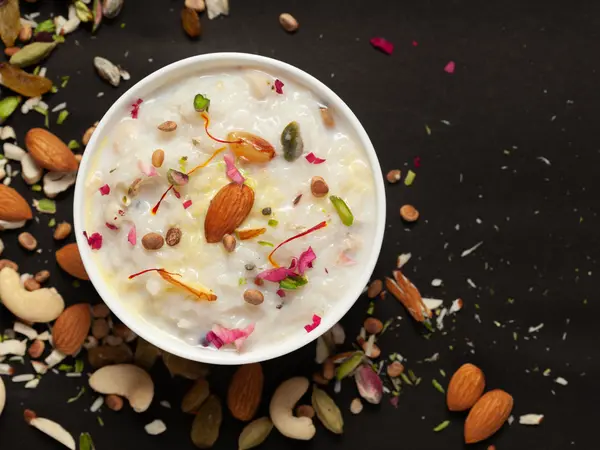
In Somalia, xalwo (halwa), a dense sweet rich with ghee, cardamom and cinnamon, is served at Eid and weddings. In South Asia, Eid means sweet milk puddings like kheer and sheer khurma, and Lebanese jallab, a cold drink of date and grape molasses, is a favorite through Ramadan.
Frequently asked questions
What desserts are eaten on Eid?
Ma’amoul, knafeh, baklava, basbousa, qatayef, halwa, kheer and sheer khurma are among the best known Eid desserts, and every country has its own favorites.
What are Eid cookies called?
In the Levant they are ma’amoul, in Egypt kahk, and in the Gulf and Iraq klecha. They are usually filled with dates or nuts.
Can I make Eid cookies ahead?
Yes. Ma’amoul keep for about two weeks in an airtight tin, so many families bake them in the last week of Ramadan.
Keep exploring
More from Holidays and festivals
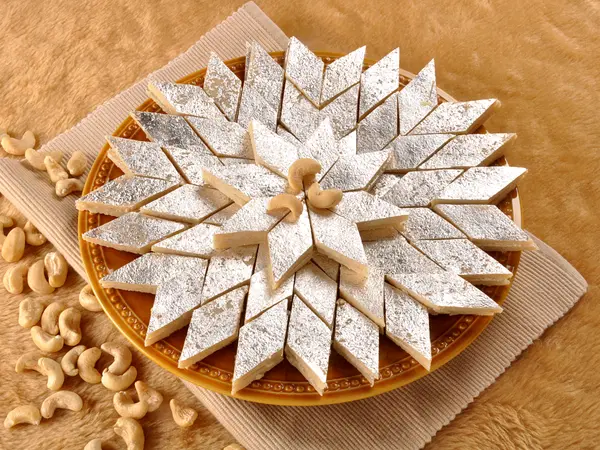 Diwali sweets to make at homeEasy Diwali sweets to make at home: kaju barfi, besan ladoo, gulab jamun, jalebi, rasgulla and more homemade mithai, with tips for making them ahead.
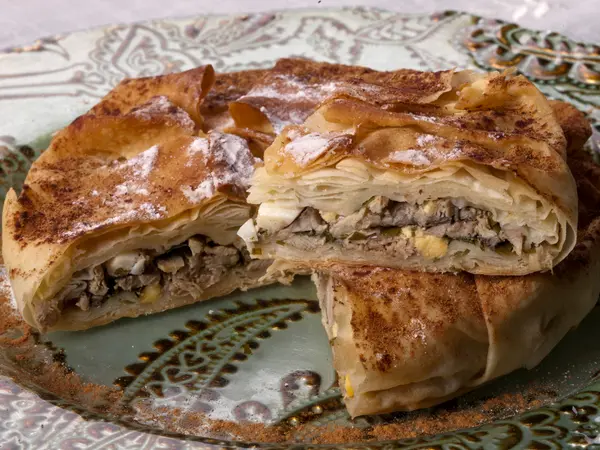 Eid recipes from around the worldEid recipes from around the world: what Muslim families cook for Eid al-Fitr and Eid al-Adha, from Moroccan bastilla and Jordanian mansaf to Indonesian opor ayam and biryani.
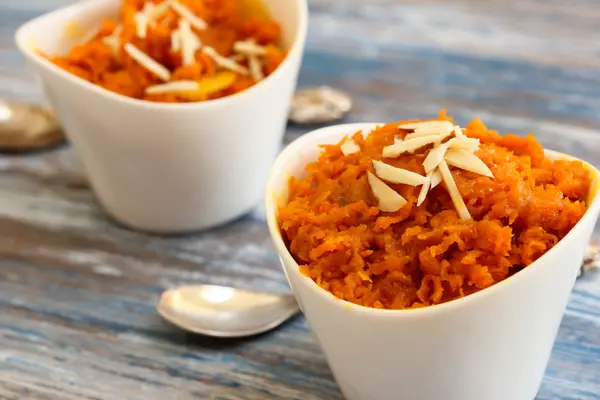 Healthy Diwali sweetsHealthier Diwali sweets and simple ways to make mithai lighter: less sugar and ghee, smaller pieces, sweets made from carrots, milk and nuts, and fruit.